

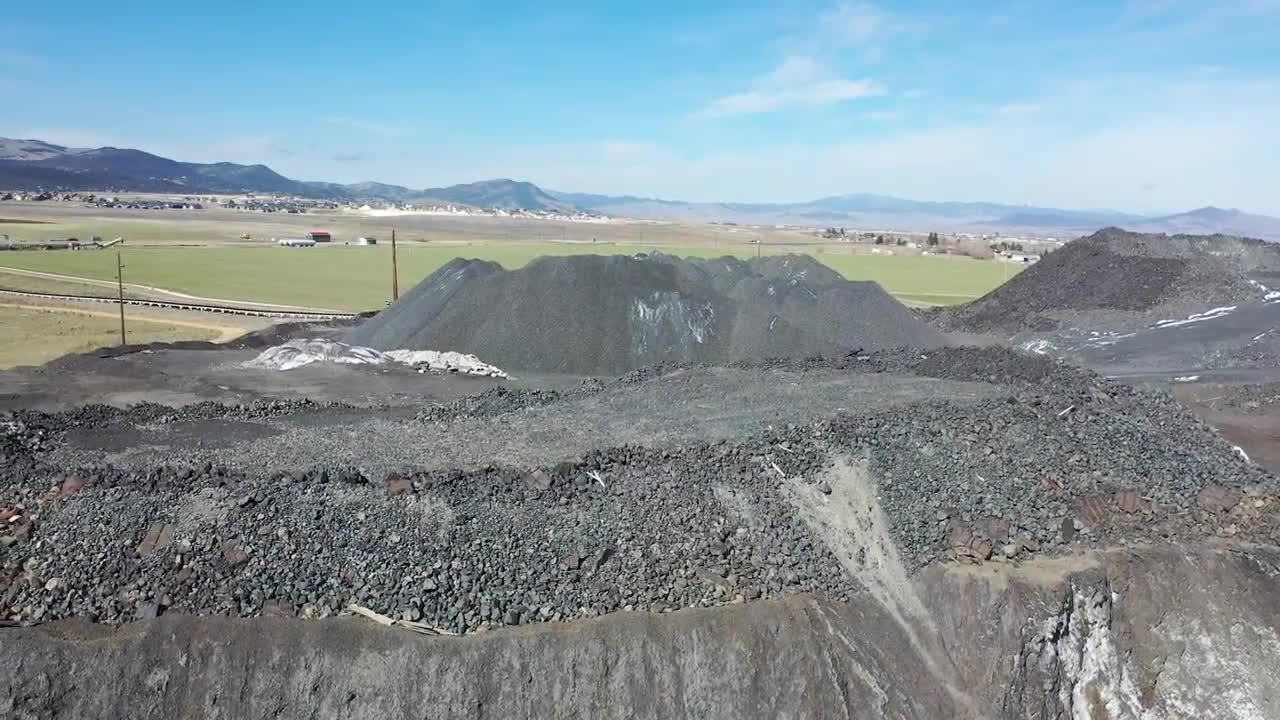


EAST HELENA — It is not uncommon to need environmental cleanup work at legacy mining and industrial sites. For East Helena, the impacts of ASARCO operations have been significant.
In 1984, the EPA declared a Superfund site directly connected to the lead and zinc smelting operations in East Helena. The Superfund area includes the former ASARCO site, the City of East Helena, and surrounding residential subdivisions and agricultural lands.
(WATCH: Environmental impacts from smelter operations in East Helena)
In 2005, ASARCO declared bankruptcy. That led to a 2009 settlement that transferred more than 4,000 acres of land and $138 million to the Montana Environmental Trust Group (METG) to address the cleanup of the ASARCO properties in Montana.
“Ninety-four million dollars were earmarked for the East Helena lead Smelter. So that was the biggest and more most complicated site,” explained Cindy Brook who has been managing the trust for METG since it’s inception. “The remaining funds were earmarked for three other sites, all mining sites. One is the upper Blackfoot mining complex in Lincoln, and then the Black Pine mine in Phillipsburg and Iron Mountain Flat Creek in Superior.”

The East Helena site has been the primary focus for clean-up efforts due to their impacts on the neighboring community. The main environmental impacts the EPA and partner organizations have been addressing are contaminated soil and groundwater, and elevated blood lead levels among residents.
“Soil contamination, the operations, that it was the emissions that were coming out the stack, actually. So nothing from the slag pile,” William noted. “The groundwater contamination is a little bit different. There's no lead in the groundwater or the surface water. It's arsenic and selenium.”
Bridget Williams grew up in the Helena area and now helps oversee the remediation work at the East Helena Superfund Site for the EPA.
The plume of arsenic in the groundwater is mainly contained to the areas by the slag pile, stretching into East Helena. However, in 2016, the selenium plume stretched all the way to Canyon Ferry Road. Mitigation efforts have seen that plumes reduced in size, with the selenium plume reduced in area by about 4,000 feet.
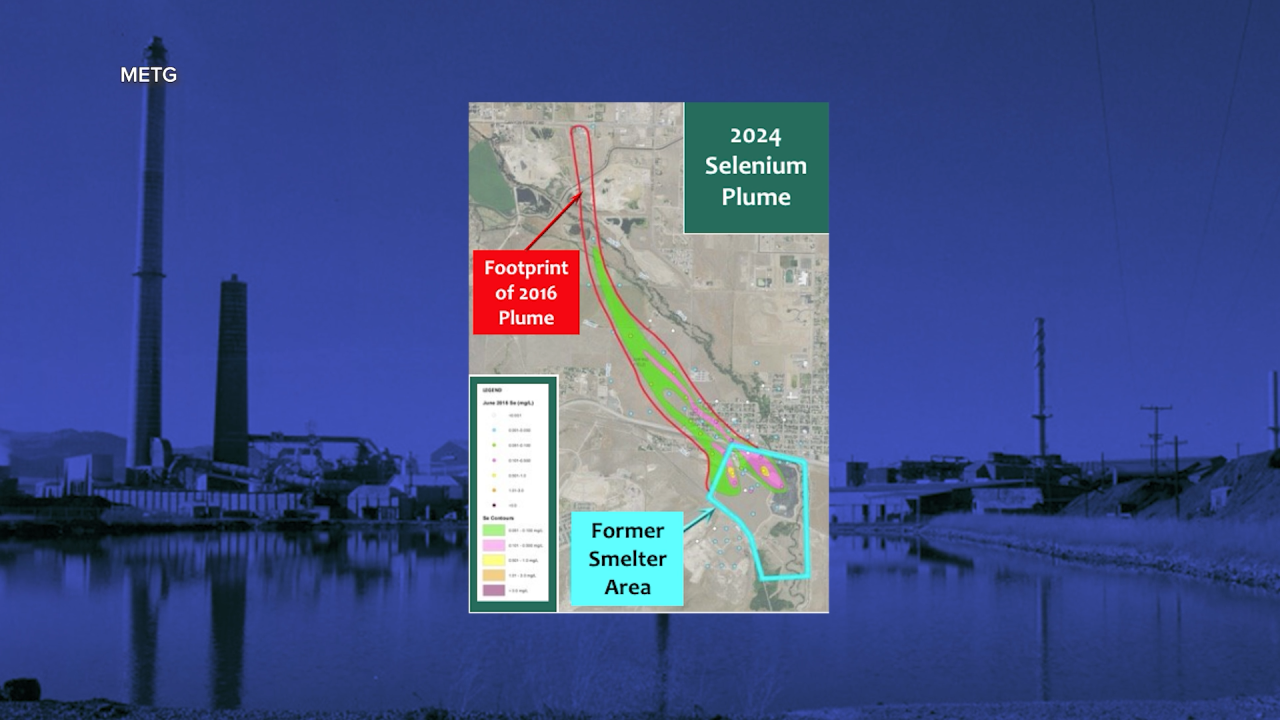
Two man-made ponds by ASARCO have also been removed, which housed water that was used by the site for its operations.
“When you all go out to the site, you'll see what's called the evapotranspiration cover system, which covers most of where the smelter was,” explained Brooks. “We also reconstructed a mile and a half of prickly pear Creek, and that, again, was just to move the water away from the smelter to prevent it from sloughing in a slag that was going off downstream in prickly pear Creek.”
It wasn’t until the 1970’s that the U.S. made a major effort to ban many lead-based products, such as paint, pipes and leaded gasoline.
“In the 1880s, when operations were started, environmental considerations weren’t really known. If you think back, people were putting lead and arsenic in cosmetics way back when,” explained Williams.
(WATCH: METG discusses state of slag pile in East Helena)
During the initial investigation in the 1980s, the EPA found elevated lead in the blood of East Helena children. The children averaged 13 micrograms per deciliter in their blood, with some who lived near the smelter registering 25 micrograms per deciliter. The CDC says there is no acceptable level of lead in the blood, but considers anything over 3.5 micrograms per deciliter to need “immediate intervention.”
Steve Thennis worked at ASARCO during a summer in college. He now leads the county’s Lead Education and Assistance program, working to provide awareness about potential health impacts, especially in kids.
“I worry about the people who have never been tested and don’t know,” said Thennis. “And then the harmful effect of having that lead exposure, these elevated levels in kids and then they didn’t know about it until it’s too late.”

Thennis notes there are a lot of potential lead exposures besides the ASARCO site that families should be aware of, such as older homes with lead-based paint or spices imported from other countries, like turmeric.
He encourages all families to have their children tested for lead levels, with many medical providers recommending testing at 12 months and 24 months if there is potential for lead exposure. The test can be performed by the child’s health provider or at the Lead Education and Assistance office in East Helena at no cost.
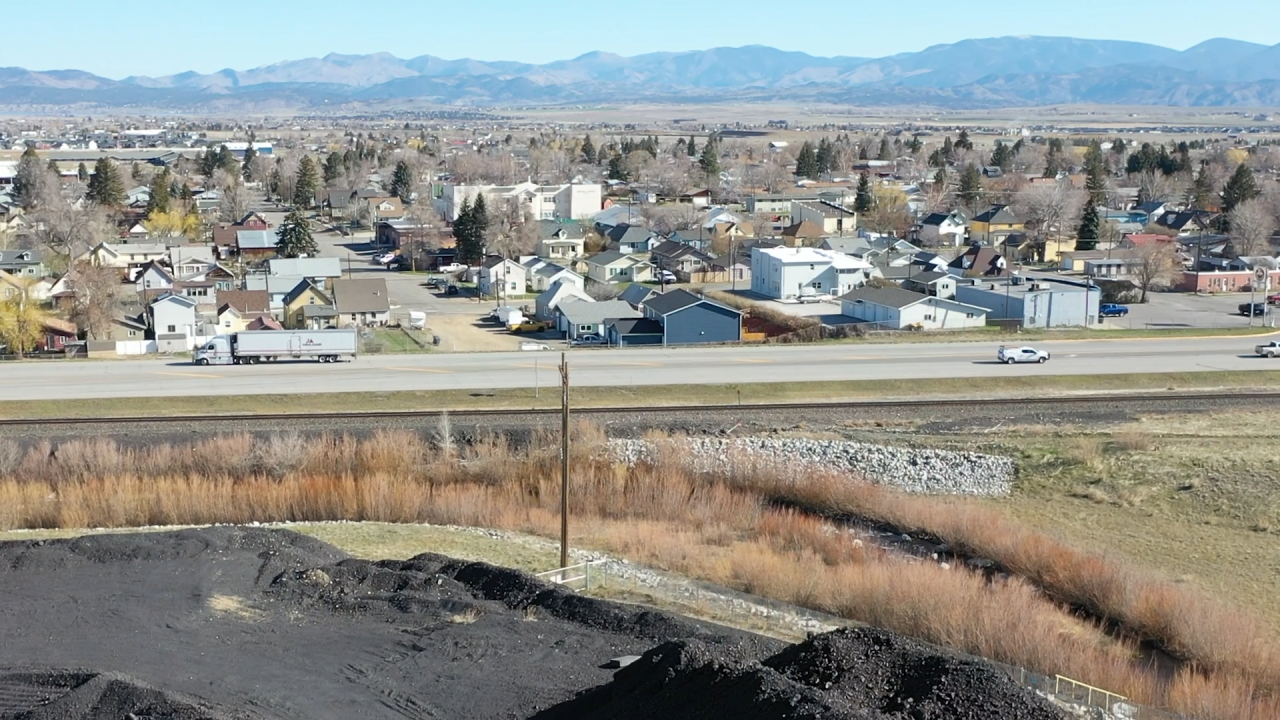
Thennis notes that there have been generations of families that have lived and thrived in East Helena and the shadow of the Superfund site. He just hopes people take advantage of the free testing to make sure their levels are not dangerous.
“Been a lot of really good, progress in the community and, you know, keeping it clean and keeping their, their community members safe,” said Thennis.
In the 1990s, ASARCO entered into a remediation agreement with the EPA following guidance from the Resource Conservation and Recovery Act. Part of the remediation efforts was to identify areas of high lead levels in the community and replace the topsoil. Around the same time, ASARCO planted trees on the slag pile in hollowed-out wells that were filled with dirt.
The EPA says as of 2023, contaminated topsoil has been removed from and replaced at: 793 residential yards, 50 commercial properties, 373 unpaved road aprons, 75 unpaved alleys, 14 unpaved roadways, 11 parks/public areas, 5 school playgrounds or church properties, 141 flood channel sections, and 80 flood ditch sections
Beginning this summer, the EPA will be replacing more yards in East Helena based on new federal guidance on acceptable lead levels.
The work is completely free to the homeowner, and the EPA works with the families to make sure the yard is what they want.
“We're working really well, and with individualized homeowners, like, we already have people that have signed on for the 2026, field season,” said EPA Remedial Project Manager Jessica Smith. “And they're like, ‘I don't want only grass. I want to have this gravel area’ or whatever. So we will work with individual property owners to get exactly what they want.”

The EPA will host a community meeting on Wednesday, April 22, from 6-7:30 pm in the gym at East Valley Middle School in East Helena. Representatives from EPA, USACE, DEQ, and contractors working at the site will present information and be available to answer questions.
The final phase of remediation at the East Helena ASARCO site will be to address the more than 14 million-ton slag pile at the site.
Metalicca Commodities Corp had been shipping unfrumed slag to a buyer in South Korea, but that stopped in 2024 due to shipping issues.
In 2025, METG entered into a new partnership with R-E-D Industrial Products, a Pennsylvania-based company that works with slag replacement, and CRH, an international company primarily focused on building materials. However, they have not been able to find a buyer for the material.
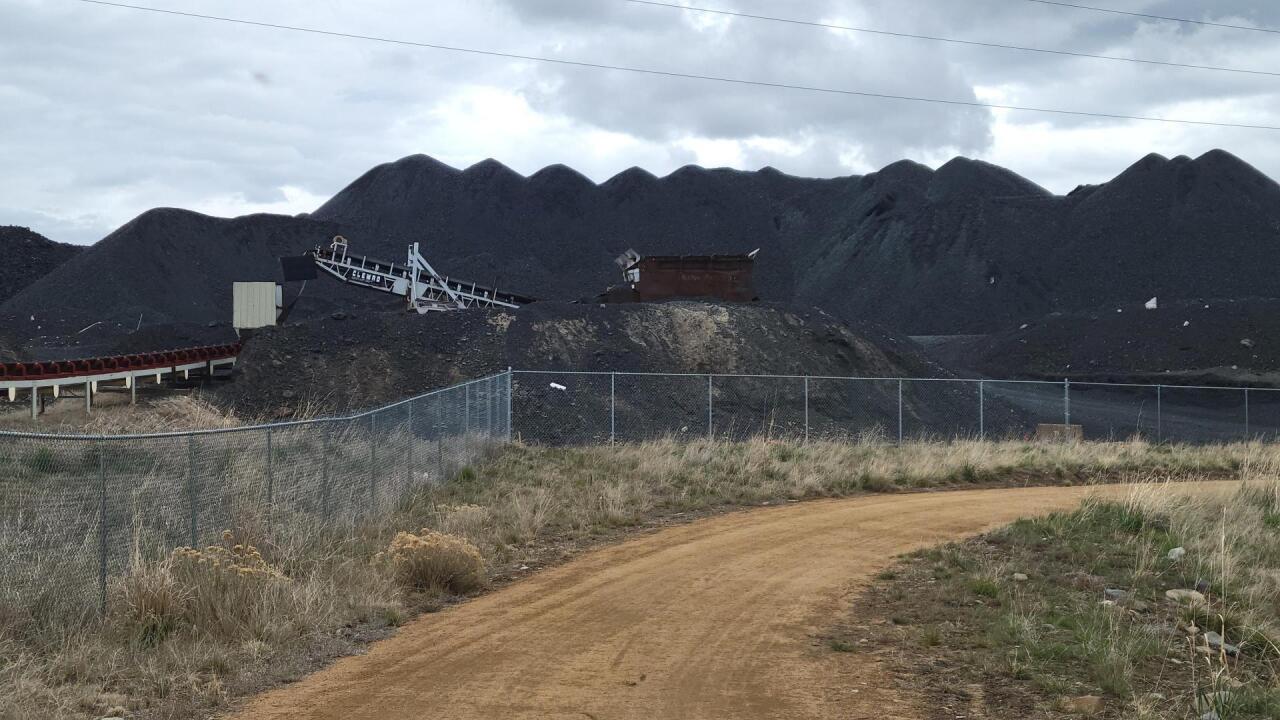
“There's a lot of enthusiasm out there right now for this kind of material, not just because there's residual zinc,” Brooks explained. “So it's really possible something will come through. But for, for the moment, at the moment, that doesn't exist.”
Brooks notes that a challenge is that there are not many facilities that can handle processing the slag.
“There is one zinc smelter that's in Canada, but they're not set up to receive material from East Helena. We have shipped material to them,” she explained. “But it's really Asia, South Korea that has the most capacity and their companies have the most interest in acquiring this material.”
If a purchaser isn’t locked down in the near future, Brooks notes it is likely they will begin taking steps to grade and cap the slag pile with soil and vegetation. If that happens, there has been significant interest in turning the mini mountain into additional recreation opportunities for the community.
