

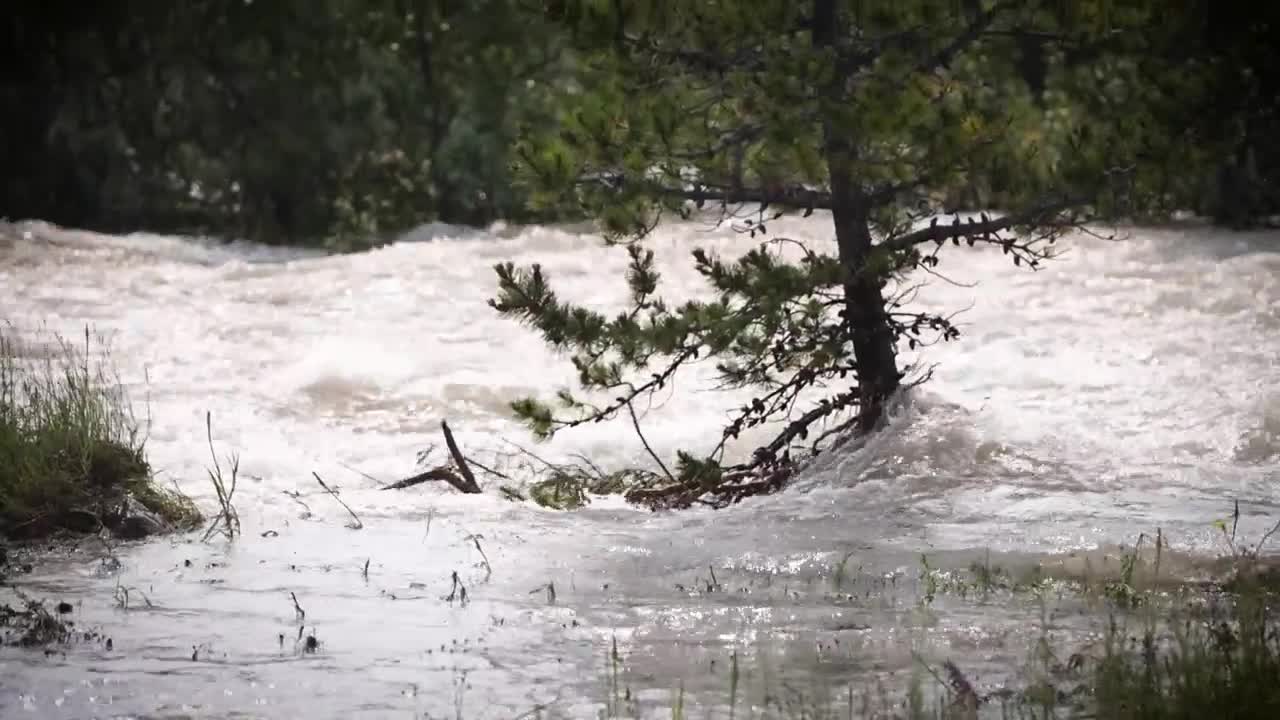

GREAT FALLS — Heavy rainfall over the weekend has led to significant flooding near Many Glacier in Glacier National Park, prompting reservoir operators to release the maximum amount of water from Lake Sherburne while crews continue monitoring conditions around the clock.
(WATCH: High water releases from Lake Sherburne continue as flooding impacts Many Glacier area)
Nearly 4.5 inches of rain fell across the Many Glacier watershed beginning late Saturday, sending large volumes of runoff into Lake Sherburne, a Bureau of Reclamation facility that is part of the Milk River Project. The reservoir stores the United States' share of water from the St. Mary River before it is diverted into the Milk River Basin and ultimately delivered to Fresno Reservoir for irrigation.

As inflows rapidly increased, operators opened the dam's gates to their maximum release of approximately 2,000 cubic feet per second (CFS) to keep the reservoir below its spillway. Typical releases during June and July are around 600 CFS.
"That rain started late Saturday. However, we didn't start to see those large inflows into Lake Sherburne until late Sunday evening," said Lake Sherburne Reservoir Operator Brooks Stephens.
According to Stephens, the reservoir has averaged inflows of about 1,880 CFS since Sunday — the highest daily average inflow recorded since 2014.
"We were only about a half a foot shy from our full pool, which is typical for this time of year. We were releasing as much as we possibly could to avoid overfilling the reservoir," Stephens said.
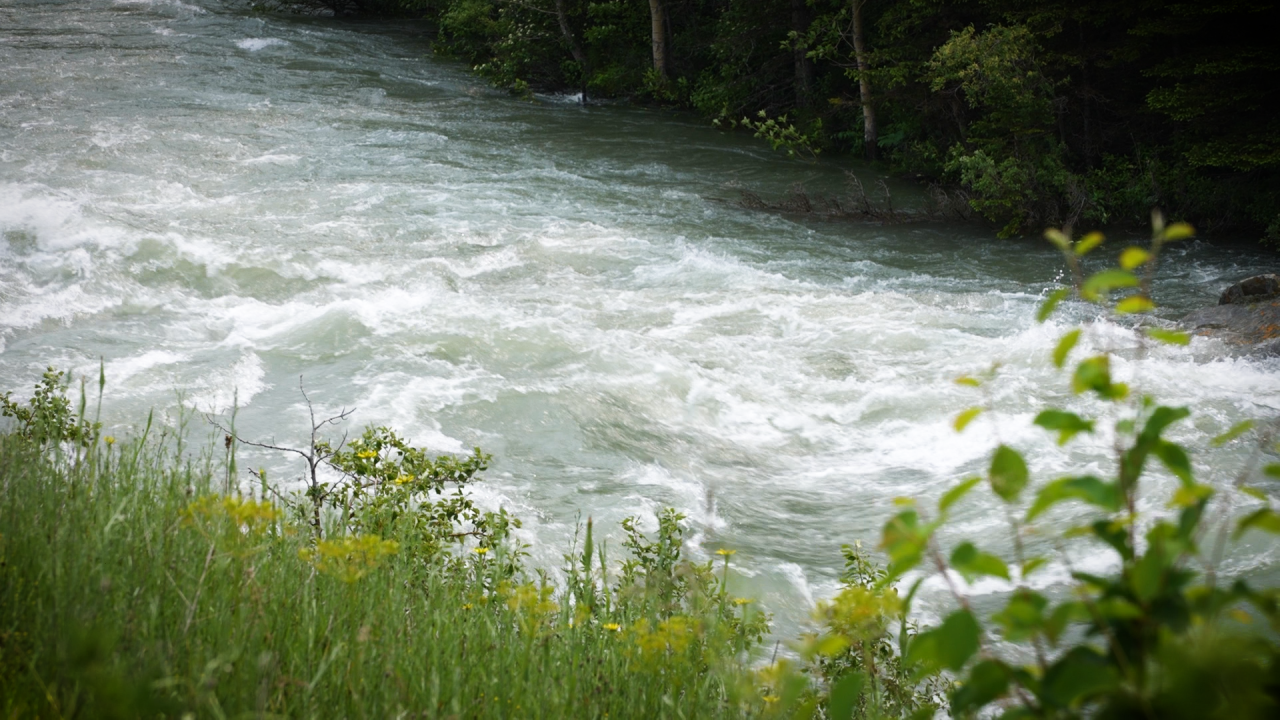
Although inflows have started to decrease, operators are continuing maximum releases while reservoir levels gradually decline.
"Inflows are decreasing coming into Sherburn. However, we are still releasing that 2,000 CFS out of the dam, and we'll continue to do that until we start to draft the reservoir and that elevation starts to decrease," Stephens said.
Downstream, the increased releases have dramatically changed conditions along Swiftcurrent Creek near Many Glacier. Water has spilled over the creek's banks in several locations, rushing into the tree line and eroding sections of the shoreline. Residents living near the creek say it has grown significantly in size over the past several days and worry the landscape may never fully return to what it once was.
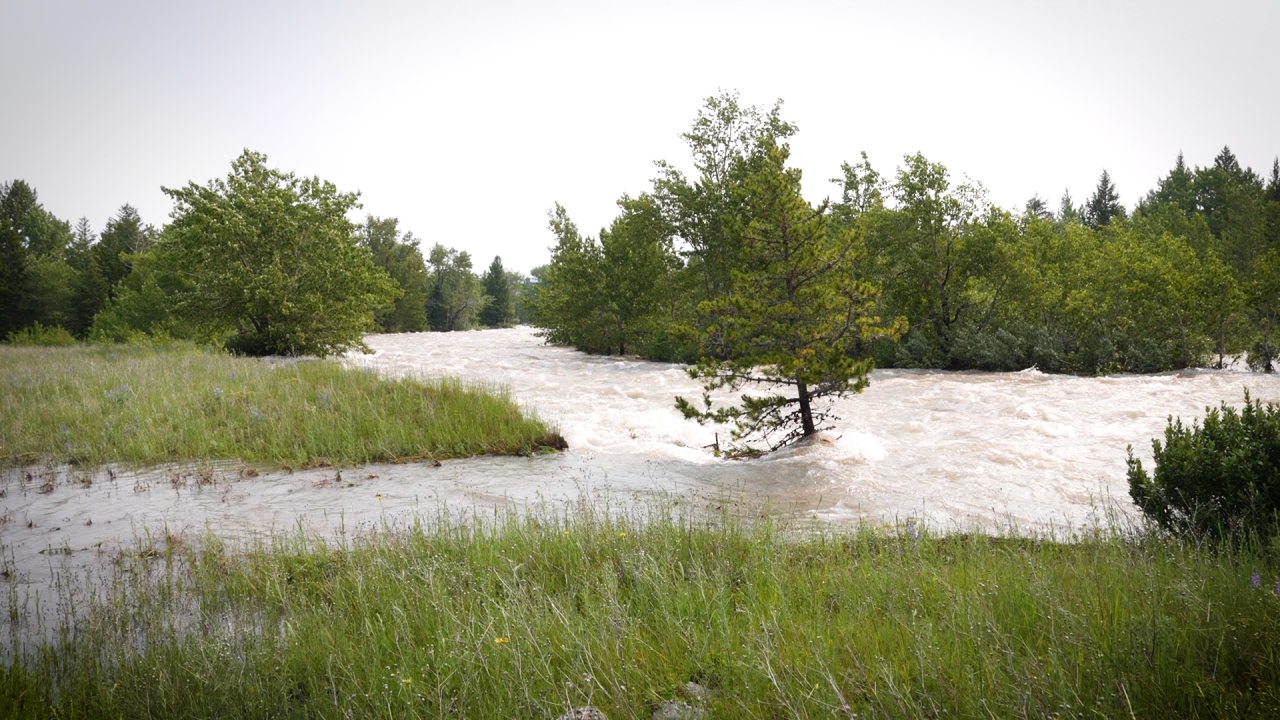
The flooding has also contributed to the continued closure of the Many Glacier area, where unsafe conditions remain due to high water.
Despite the impressive volume of water moving through the system, Bureau of Reclamation officials say the reservoir is operating as intended. Crews have remained on site around the clock, successfully matching outflows with incoming inflows to keep Lake Sherburne below the spillway while closely monitoring conditions as water levels slowly begin to recede.

