


GREAT FALLS — What’s happening thousands of miles away in the Middle East could shape what Montana farmers grow, and how much they produce, in the seasons ahead.
As the war involving Iran continues to disrupt shipping through the Strait of Hormuz, one of the world’s most critical trade corridors, global fertilizer supply chains are beginning to tighten.
Madison Collier reports - watch the video here:
While the immediate effects are already being seen with rising costs, producers and experts say the longer-term impacts could be even more significant.
The Strait of Hormuz plays a key role in moving fertilizer around the world. With ongoing tensions in the region, shipments have slowed, creating a bottleneck that is rippling through global markets.
For Montana producers, that ripple effect is starting to take shape in both availability and planning.
Steve Sheffels, president of the Montana Grain Growers Association, says the biggest concern isn’t just what’s happening now, but what it could mean moving forward.
“Every day the war lasts, that’s fertilizer that’s not gonna get produced this year at all… and it’s gonna put a big ripple in the whole fertilizer supply market,” Sheffels said.
That missing supply doesn’t just disappear… it creates a gap that could take months, or even seasons, to recover from.
While many producers have already secured fertilizer for this year’s crop, Sheffels says the real uncertainty lies in what comes next.
“I think it’s gonna probably affect our farm next year more so than this year… and it’s certainly gonna affect planting decisions and how much fertilizer that we put down,” he said.
Those decisions carry weight.
Fertilizer, particularly nitrogen, is one of the most important inputs in crop production, especially for wheat, which remains a staple across much of Montana.
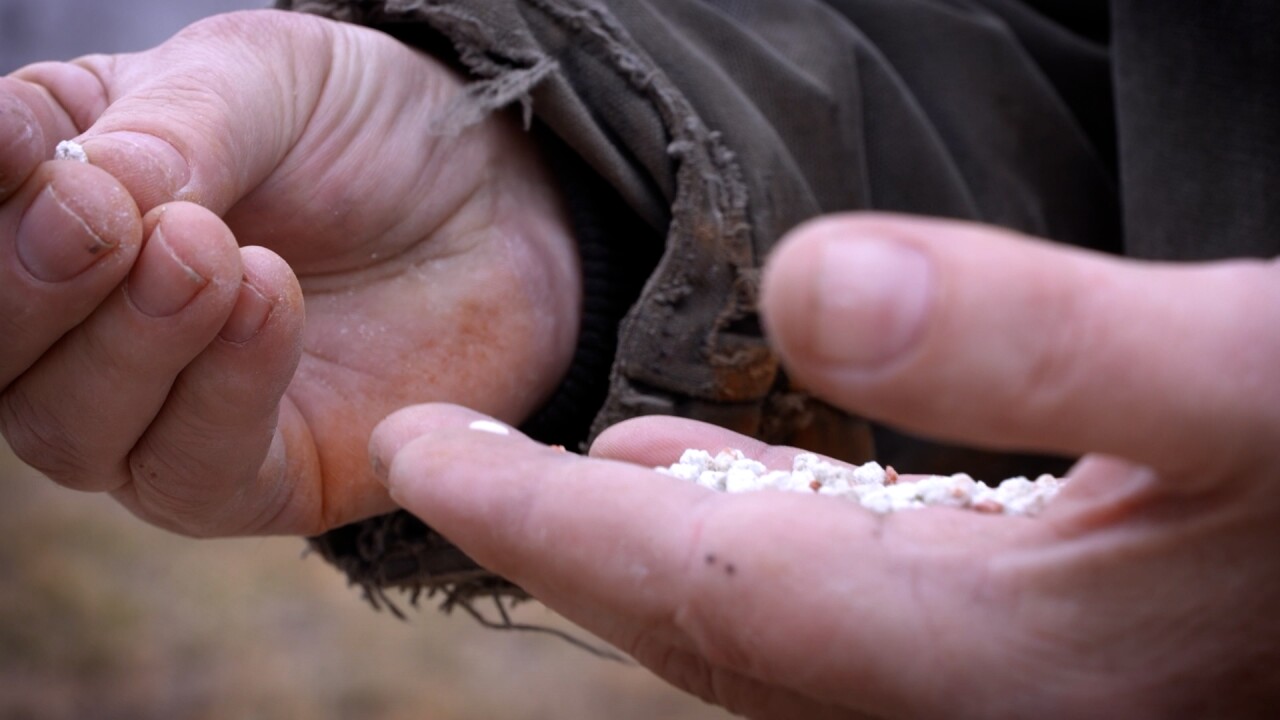
Cutting back may help offset rising costs in the short term, but it can also reduce both yield and quality.
“When you start cutting short on your fertilizer, not only does your yield go down… but your quality goes down… your protein goes down… and what you’re producing is worth less,” Sheffels said.
Over time, that can create what he describes as a “vicious cycle,” where farmers produce less and earn less, making it even harder to recover in future seasons.
Some producers are exploring alternative crops, like peas, lentils, and chickpeas, known as pulse crops, which require less nitrogen fertilizer.
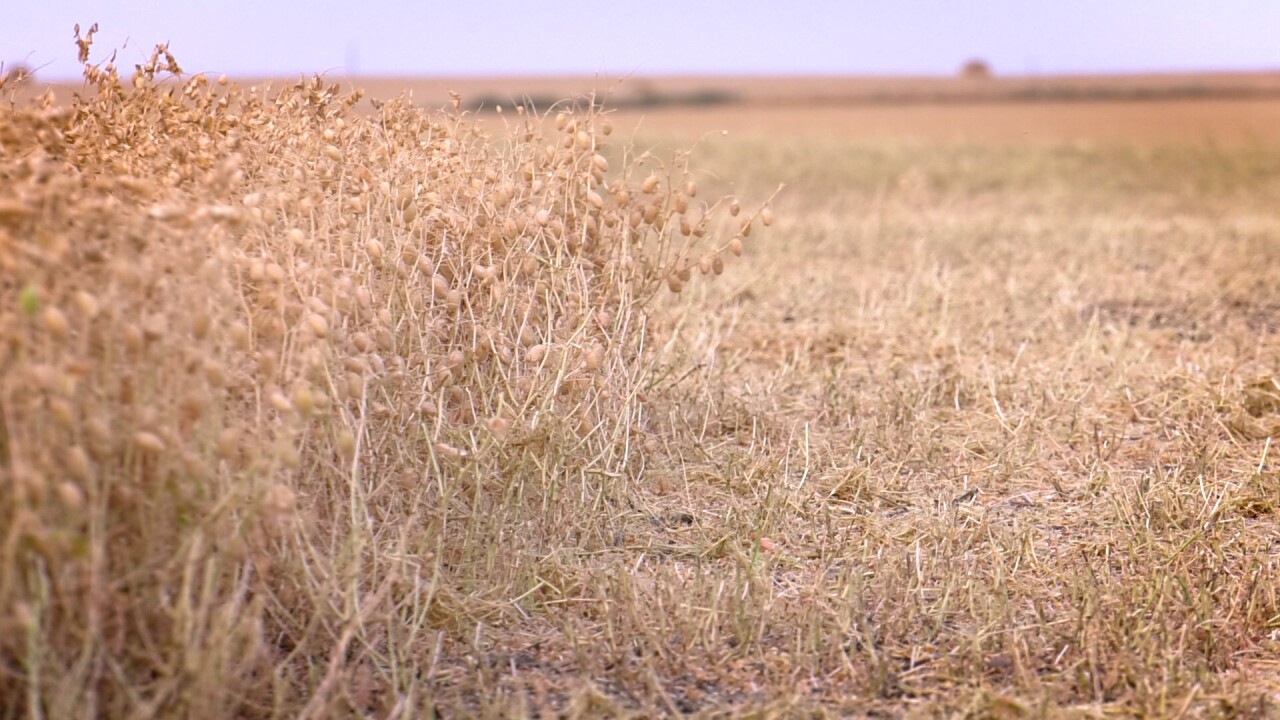
But Montana State University extension soil fertility professor Dr. Clain Jones says that shift isn’t always feasible.
“It’s a challenge because you can’t grow pulses on pulses… You usually have to wait two to three years,” Jones explained. “It's really not as much of an option, but for some, it certainly would be an option if they can get seed.”
Even for those who can make the switch, pulses are not a complete replacement for traditional crops like wheat. Crop rotation, equipment, and market conditions all play a role in determining what can realistically be grown.
For crops like wheat, nitrogen remains essential.
“Every bushel requires about three pounds of nitrogen… so when you start running the numbers, it’s a huge dent in their overall revenue,” Jones said.
He explained how, without enough fertilizer, crops can’t reach their full potential, both in yield and in quality. That has implications not just for farmers, but for the broader food system.
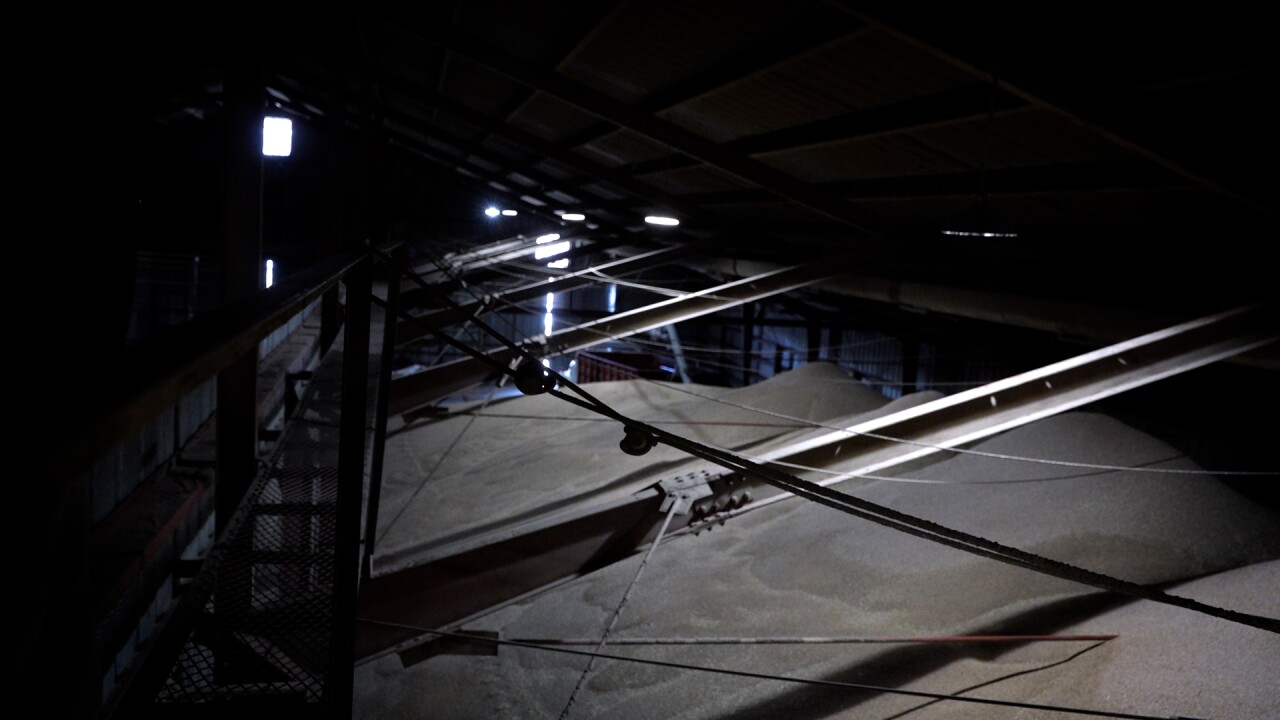
“Without commercial fertilizers… our yields in Montana and across the world would go down… so these disruptions can be impactful not just to the food supply, but to the financial well-being of our whole farming community, not just farmers,” Jones said.
From planting decisions to crop quality, Montana producers could now be navigating uncertainty that extends well beyond this growing season.
And as global demand continues, and supply remains constrained, the impacts could reach far beyond the farm.
