


LAVINA— Sheep grazing has been helping bee populations thrive at a Lavina sheep and cattle ranch.
Entomologist Hayes Goosey, who works as the Montana State University Extension forage specialist, said grazing reveals dirt patches, where bees can dig nests.
Watch how sheep are part of a bigger picture:
He studied sheep and cattle grazing effects on the environment at Lehfeldt Rambouillets in Lavina.
“Most bees are solitary, and they nest in the soil, and they need bare patches of ground to identify nest locations. And so periodic grazing then opens up that canopy of that detritus and gives native bees places to nest,” said Goosey.
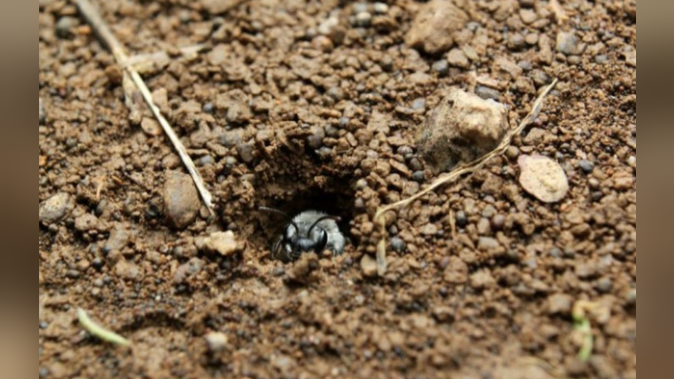
“We found greater numbers of bees associated with areas where cattle grazing was present compared to places where a long-term idling or lack of grazing had been the dominant land management for about a decade,” he added.
Grazing also balances animal populations that have been there for years.
“To maintain historically what the range looked like, it requires grazing at varying levels,” added Goosey.

Fifth-generation rancher Ben Lehfeldt, whose property Goosey studied, said taking care of sheep is a lot of work, but it is worth it.
“Sheep, cattle, agriculture, the whole is essential to the whole wildlife picture. Everything works together,” said Lehfeldt.
This week, Lehfeldt is working with a team of five shearers, two wool handlers and his family to shear 2,000 sheep, producing 20,000 pounds of wool.

“It just kind of gives them a fresh start for the year to grow that coat,” said Lehfeldt.
Shearing sheep is also an important step before lambs are born because sheared sheep will be more likely to seek shelter during bad weather, meaning lambs will get the shelter they need too.
“If they had a big coat on, they wouldn't want to go to a shelter if it's raining. That lamb needs protection. So now… when they feel that rain, they'll head and take their lamb for protection,” said Lehfeldt.
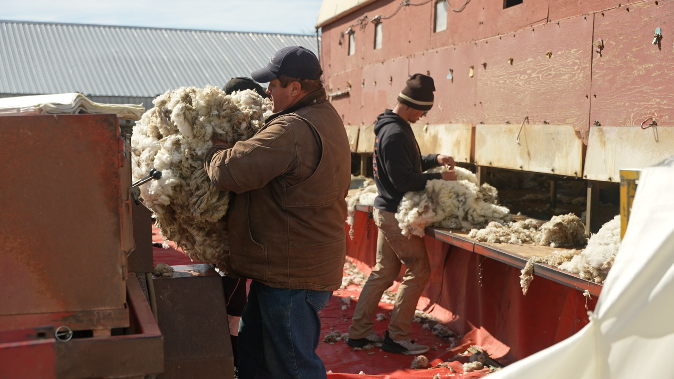
Working hard to maintain sheep populations in Montana, such as the work behind sheep shearing, contributes to a bigger picture.
“Not only does it help with the sheep and the grazing, but it also adds to the environment and the wildlife and the insects as a whole,” added Lehfeldt.
