


NORTH CENTRAL MONTANA — For Raynesford rancher Bruce Schultz, the challenge of rebuilding the nation’s cattle herd is already playing out on his own spread. After years of drought forced he and his wife to reduce their herd to 60% of its capacity, they are left looking at how quickly they can afford to build it back.
He explained one option could mean retaining more heifers, though that means deciding how many he can keep—and how many he should sell.
WATCH Madison Collier's report below:
“If I want to keep more heifers, which I do, but I’m also trying to make sure that I can pay all my bills, there’s a fine line of how many you keep, how many you get rid of,” Schultz said.
That balancing act is one of several challenges the U.S. Department of Agriculture hopes to address through its new Ranchers First Initiatives. The department announced the new actions on Aug. 31 as part of an effort to rebuild a national cattle herd the agency says is at a 75-year low.
The plan includes proposed insurance for producers who retain heifers for breeding, additional disaster-recovery flexibility on certain lands and a proposed loan program intended to support regional meat processors.
However, Schultz explained the success of the initiative's actions will depend on how the proposals work once their details are developed.
One of those is the Beef Retention and National Development, or BRAND, endorsement. The USDA describes it as a new endorsement under Livestock Risk Protection (LRP) insurance that would protect some of the economic value producers give up when they retain a heifer for breeding rather than selling it.

Keeping more heifers can eventually increase the number of calves entering the beef supply, but it also means ranchers must forgo current income and wait years for that decision to pay off.
Schultz estimates that on his operation, it takes about two years from a heifer’s birth until she produces her first calf. It then takes additional time before that calf is ready for processing.
Meanwhile, the ranch continues to face expenses.
“All of our input costs have gone up,” Schultz said. “So you can’t just say, ‘Oh, I’m going to keep all my heifers.’ It would be a lovely idea, but you still have to sell so many to keep things going so you can have your cash flow.”
The USDA announcement does not specify what BRAND coverage would cost producers or when it could become available. Schultz said those details will determine whether the proposal becomes a useful tool or something producers choose not to purchase.
“If you come up with a program but nobody wants to do it, you wasted everybody’s time, effort and money,” he said.
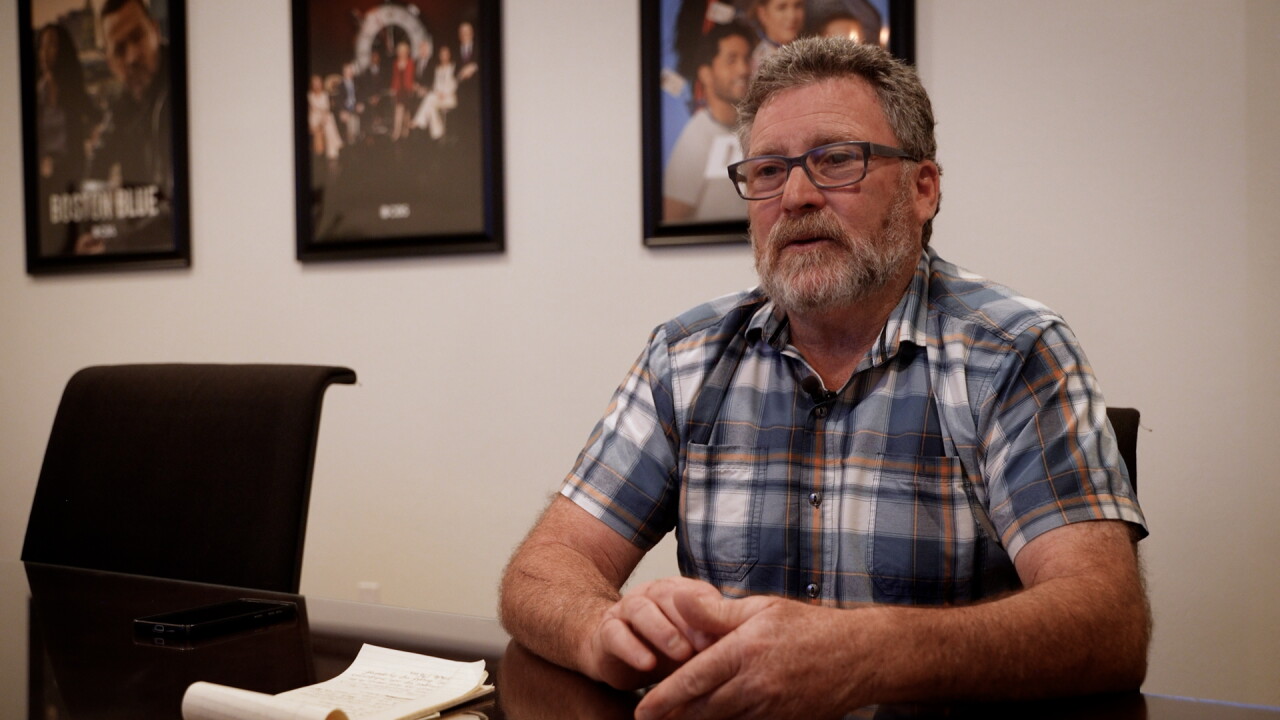
Montana State University agricultural economist Eric Belasco said the proposal could address a real financial risk for producers. He added that strong cattle prices can make selling a heifer today more attractive than retaining her in hopes of earning additional income in the future.
“You need revenue today, but then … it’s that foregoing of that revenue today for maybe potentially more revenue in the future,” Belasco said.
He explained an insurance product like the BRAND endorsement could help reduce that risk, but it will require careful research and pricing.
“Like any insurance product, you’ve got to do the research,” Belasco said. “You’ve got to get the rates right so that farmers pay, you know, the fair price.”
According to Balasco, even a well-designed financial tool cannot solve every obstacle to rebuilding the herd.
He said drought and poor range conditions can limit the number of cattle an operation can support, regardless of the market or available insurance.
“The rangeland conditions seem like a prerequisite, no matter how it goes,” Belasco said. “But I would say under good rangeland conditions, then a product like that could be helpful to at least mitigate the risks.”
For Schultz, the future of the cattle herd will not be decided by a plan on paper alone.
“The biggest thing to rebuild the herd is rain,” Schultz said. “If they don’t have the pasture, if they don’t have the feedstuff to put into them … they can’t rebuild.”
