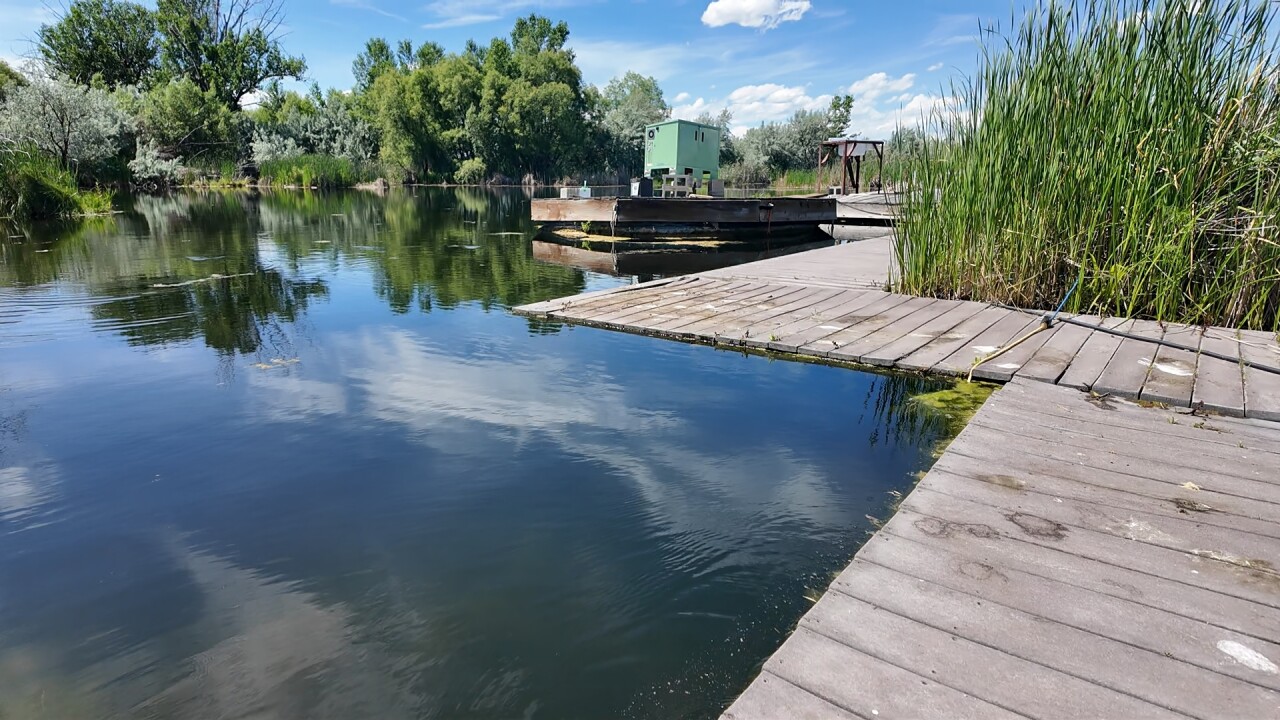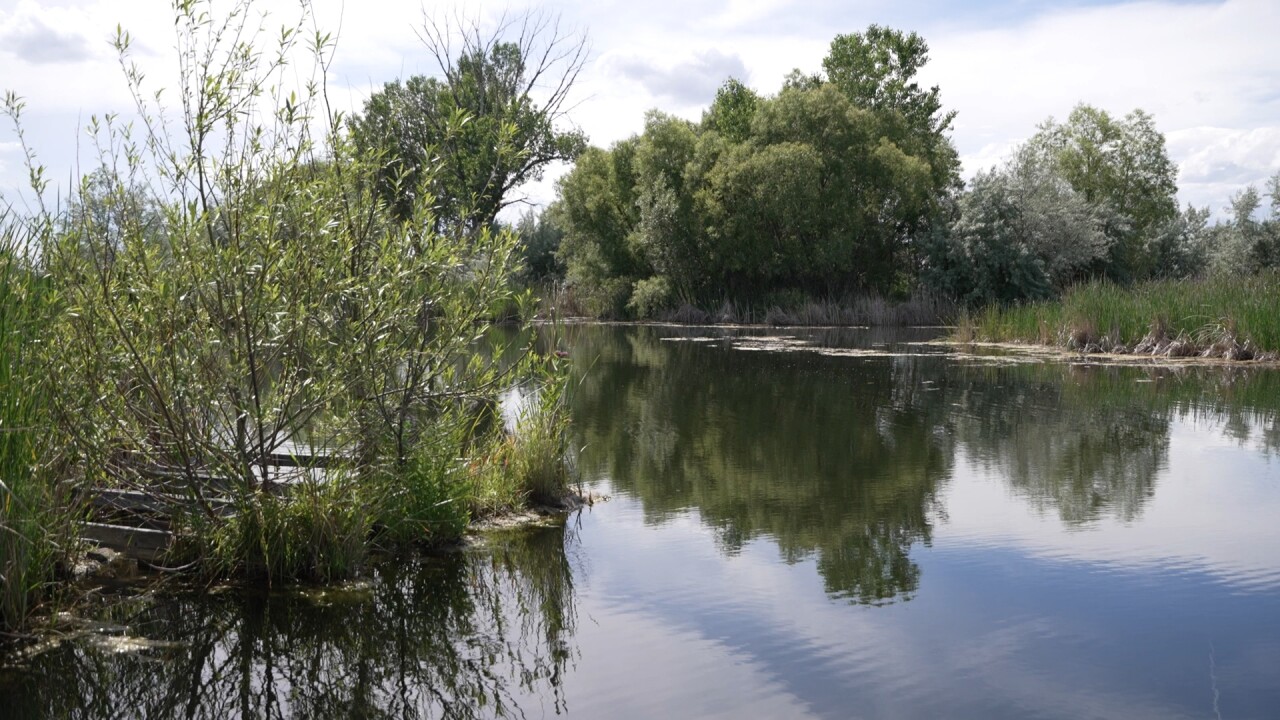

SHEPHERD — A Shepherd-based company says its latest research shows that improving the health of nutrient-rich lakes and ponds could also significantly reduce methane emissions, offering a nature-based approach to addressing water pollution and climate change.
Watch the full report here:
Bruce Kania is the CEO of Floating Island International, a company he and his wife, Anne, founded on their property near Shepherd. For more than 20 years, Kania has been engineering floating islands made from recycled plastic that naturally clean water, reduce algae blooms, and support aquatic life without chemicals.
The company has been operating commercially since 2005 and has launched more than 14,000 floating islands worldwide. While the inventing happens at the Shepherd property, standardized commercial products are manufactured in St. Paul, Minnesota, and Lodi, California, and ship globally.
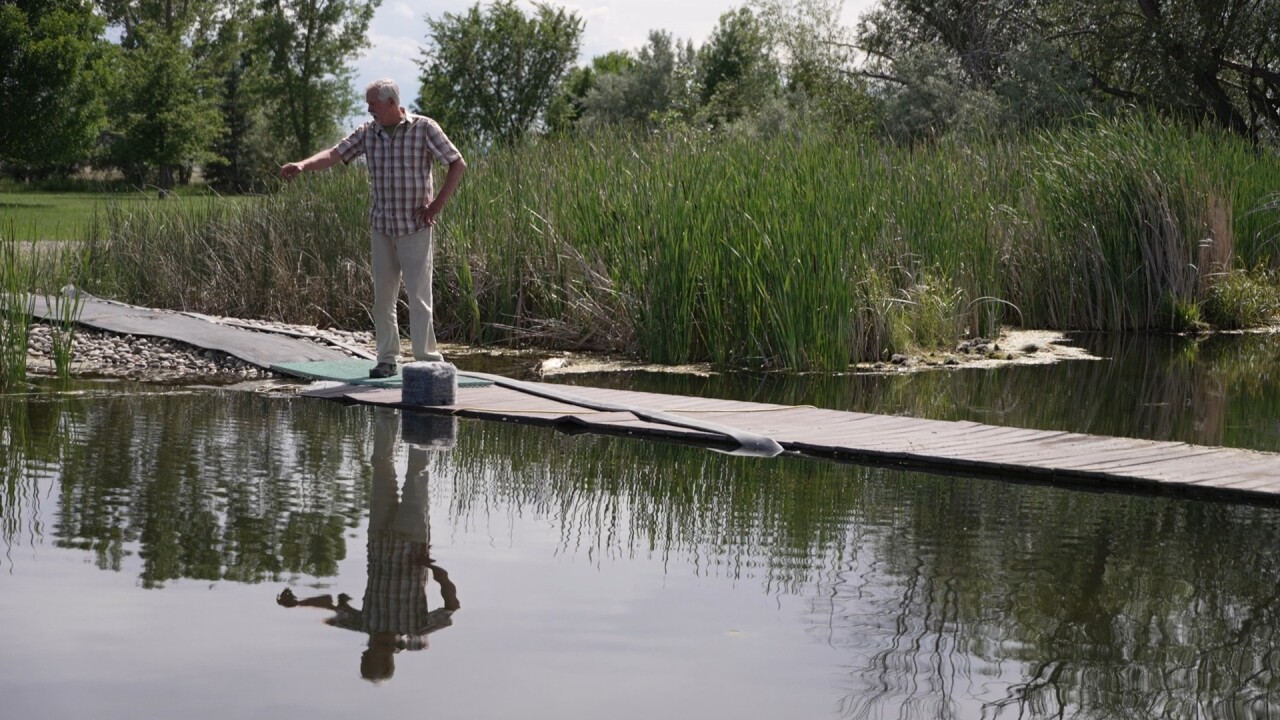
"Our research lake ... has been my laboratory since I've lived here, since we launched the company," Kania said while standing beside Fish Fry Lake, the couple's six-acre research site outside Shepherd. "I feel a lot of passion around this lake and its incredible productivity and what it has taught me. It's just been an amazing classroom."
The floating islands, while natural in appearance, are built from armored recycled plastic designed to withstand decades of exposure. Their purpose is rooted in biomimicry, or using natural wetland processes to restore water quality.
"The aerobic microbes that need oxygen, they are literally four or five times more effective at cycling nutrients than plants are," Kania said.
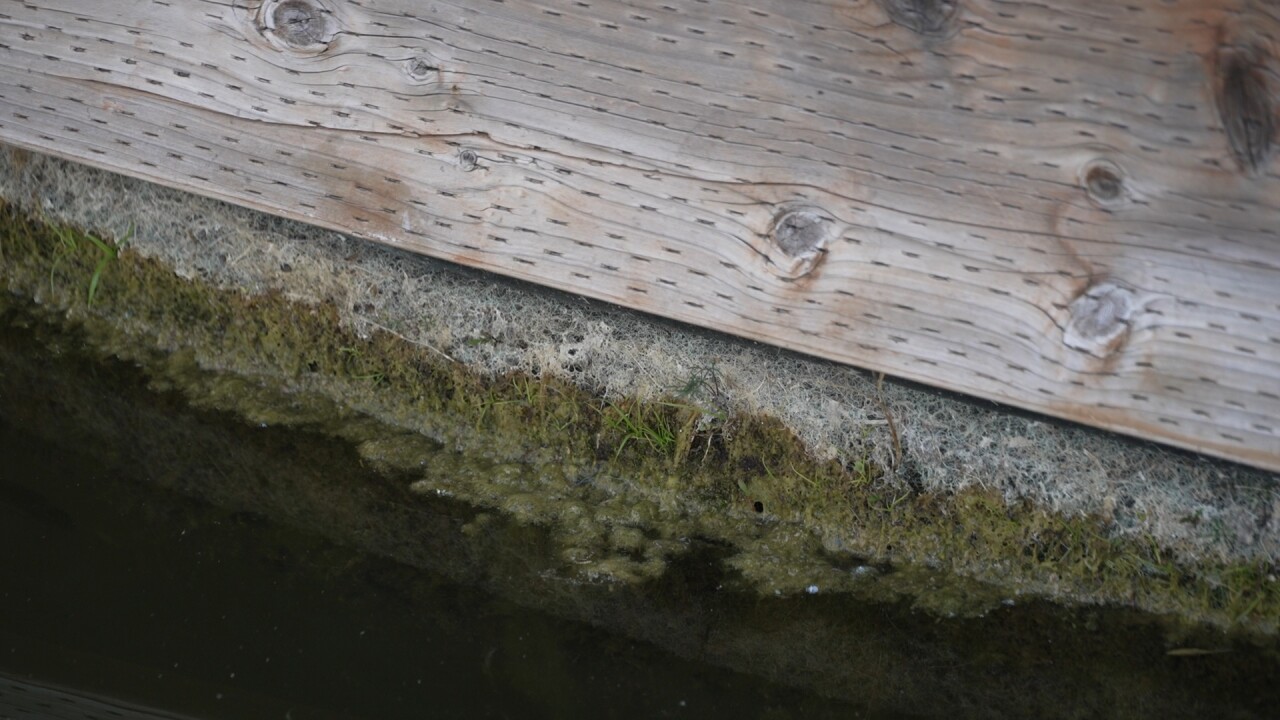
By removing excess nutrients from the water, the floating islands help prevent large algae blooms, which can degrade water quality and reduce oxygen levels as they decompose.
"We represent a way to fight algae without chemicals," Kania said.
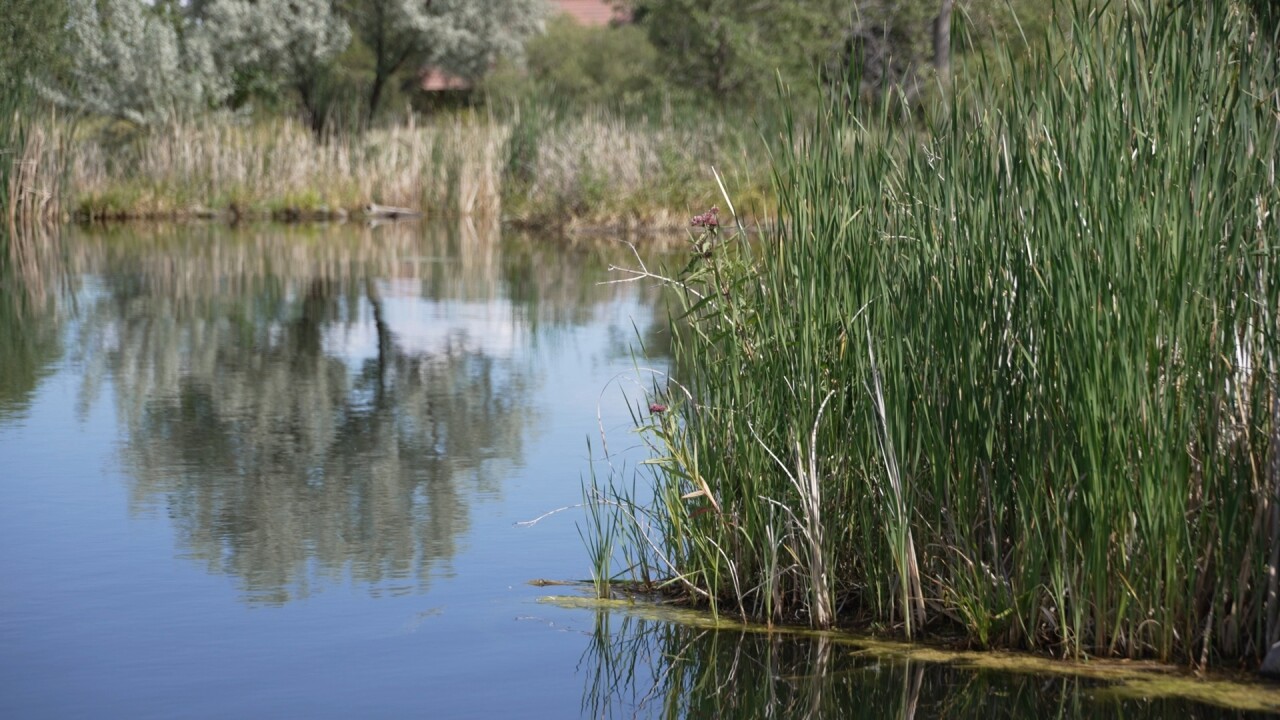
While improving water quality remains the company's foundation, Kania said research over the past five years has revealed another opportunity: reducing methane produced in nutrient-rich freshwater.
"More recently, we've also learned that we can fight what's called aquatic methane," he said. "Until just a decade or 15 years ago, nobody realized that aquatic methane was the incredibly large source of methane that it is."
Methane forms when algae and other organic material settle to the bottom of ponds and lakes, where oxygen is depleted. In those oxygen-poor conditions, microbes break down the material and release methane into the atmosphere.
Methane is considered one of the most powerful greenhouse gases. According to NASA, it traps significantly more heat than carbon dioxide over a 20-year period and has contributed roughly one-third of modern global warming. Freshwater wetlands account for about one-third of global methane emissions, more than double the emissions from the oil and gas sector.
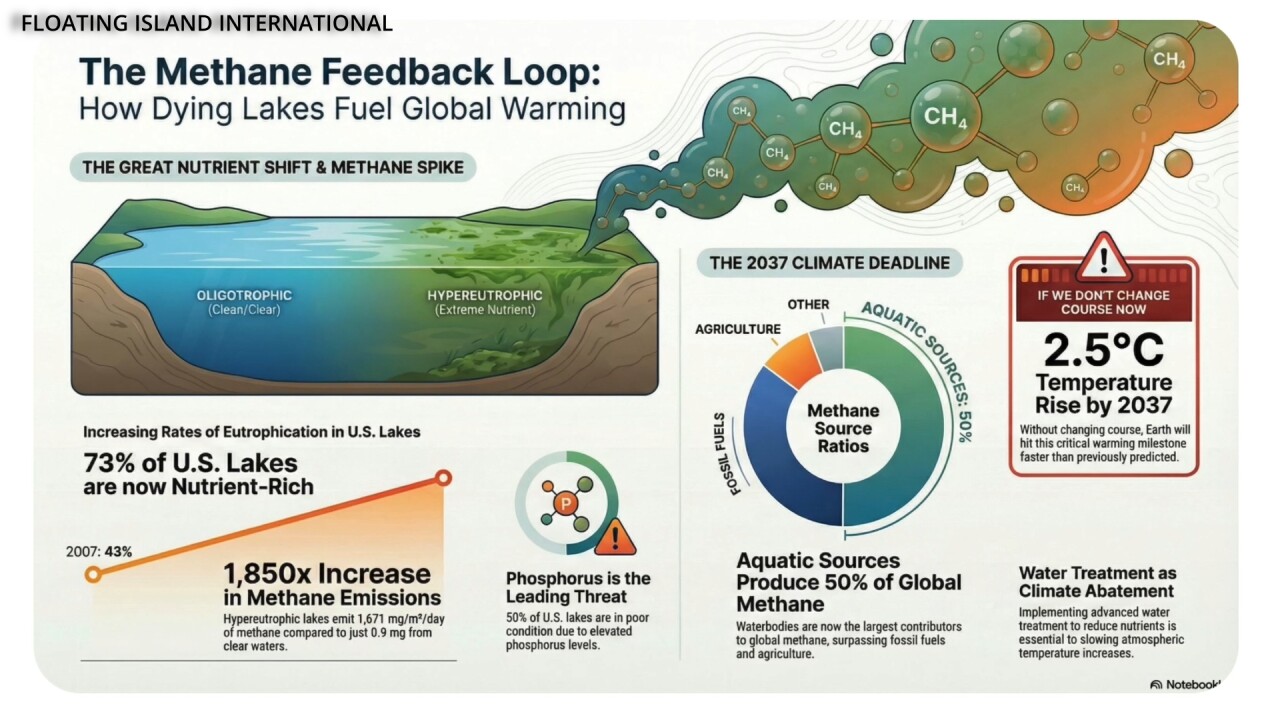
That scientific understanding led Floating Island International to develop its newest technology, known as RAM, or Removal of Aquatic Methane.
The system oxygenates deep water, creating conditions that allow naturally occurring microbes known as methanotrophs to consume methane before it reaches the atmosphere.
“We can take that bottom water where the oxygen is low, add oxygen to it, and when we do that, another class of microbes called methanotrophs happen. They're aerobic, they need air, and they eat methane," Kania said. "Using nature's model of the wetland effect to actually keep the water healthy, keep those methanotrophs in action, that's what we're doing.”
The company received its first U.S. patent for the technology in April 2025 and says additional patents are pending. Kania said testing at Fish Fry Lake suggests the approach can dramatically reduce methane emissions.
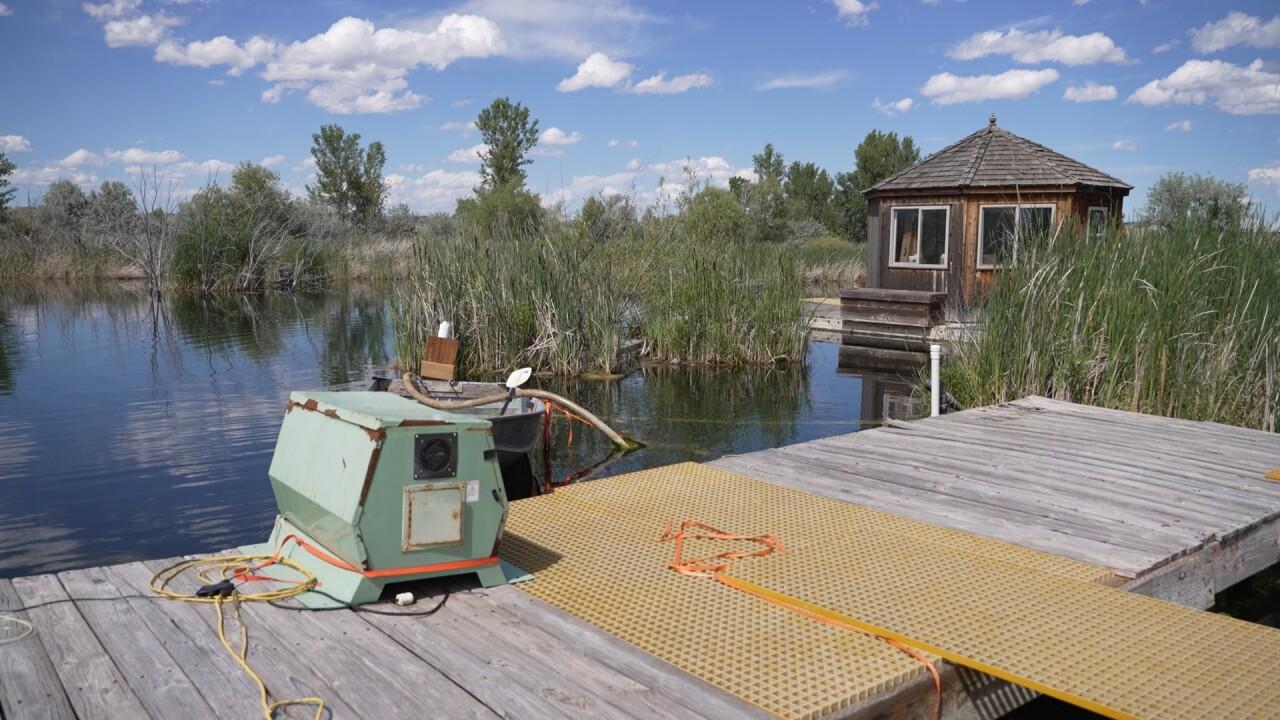
“if we can keep the lake oxygenated from top to bottom, we reduce the methane by 95%," he said. "And without that, this lake would generate about 4.4 tons of methane every year, which is 88 times more impactful than carbon dioxide.”
The company says formal research projects are now underway in multiple locations to independently verify those results.
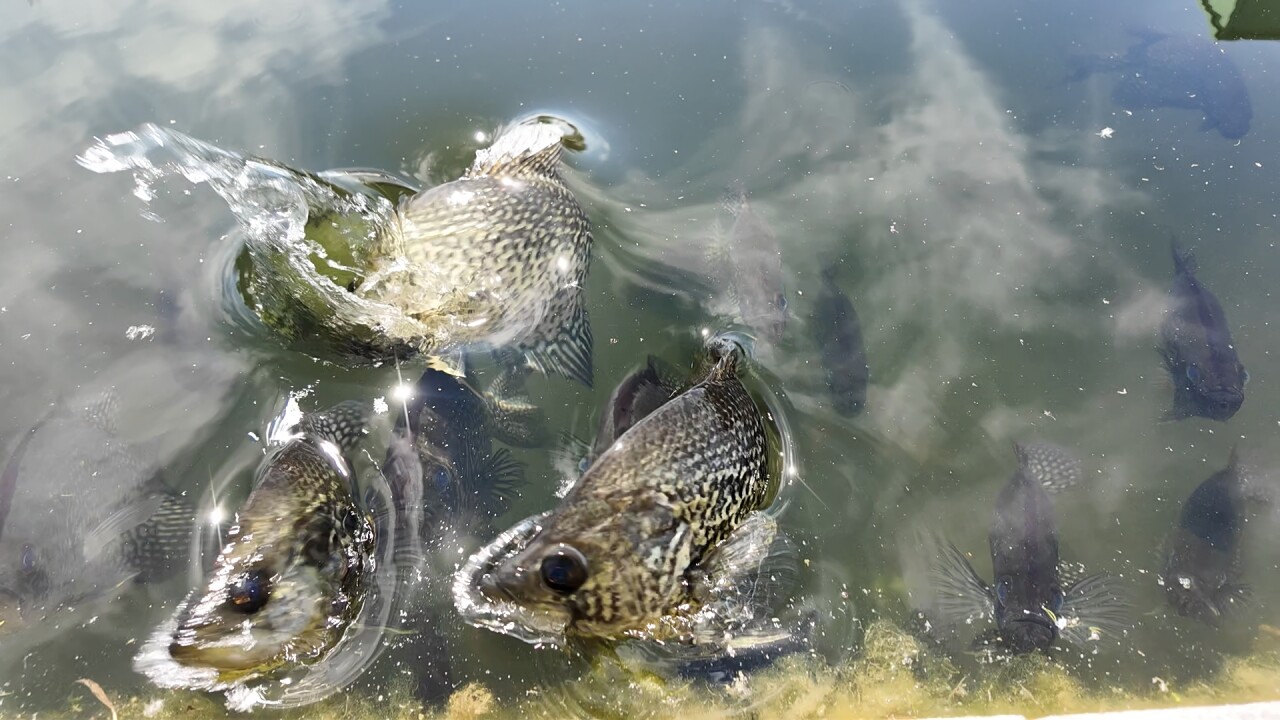
Kania said that there are also larger ecological benefits to using this process. Fish Fry Lake serves as living proof of the results. Kania said the cleaner water and nutrient cycling have made it one of Montana's most productive fisheries.
"Islands and fish are synonymous. They go together," he said. "And boy, the fishing is incredible. I do believe that Fish Fry Lake is the most productive fishery in Montana."
Related: Shepherd company floating synthetic islands to help environment, fishing
Kania also said protecting water quality and reducing greenhouse gas emissions go hand in hand when it comes to combating global warming.
"We hit 1.5 degrees centigrade increase in atmospheric temperature in 2024. Our numbers indicate we're going to hit 2.5 by 2037 at today's rate of increase of methane in the atmosphere," Kania said. "This is a huge source of methane and it's expanding, and it is what will take us well past a reasonable average global temperature of 2.5 in just a decade. That's our projection, if we don't move on this quickly."
The company is preparing to soon move its methane-reduction work beyond Montana. Kania said discussions are underway for an 11-lake project in Alberta's Prairie Pothole Region, where thousands of nutrient-rich wetlands are believed to produce significant methane emissions.
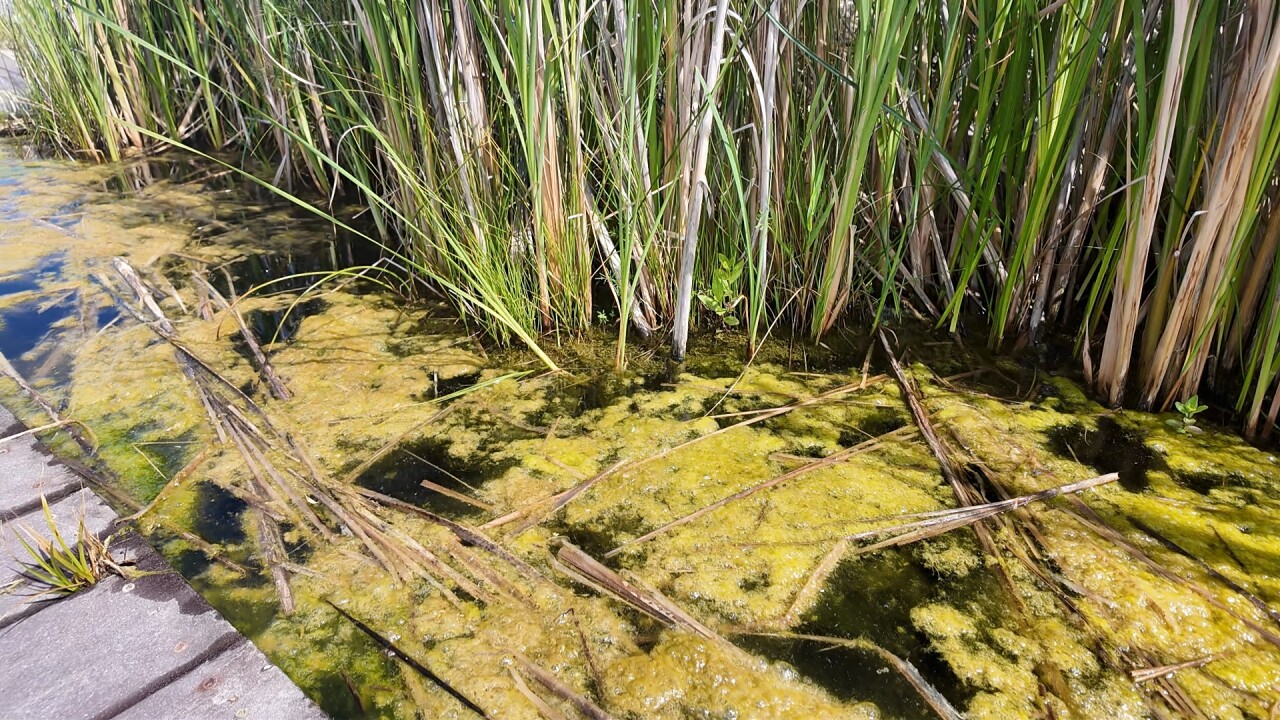
"We're talking with people about an 11-lake project up in Alberta," he said. “The need for this one is absolutely vital. We've got to get this water taken care of, but we benefit from it so hugely when we do."
As research continues, the company hopes its technology can demonstrate that healthier lakes and reservoirs are not only better for agriculture, fisheries, and recreation, but can also become part of a broader strategy to reduce greenhouse gas emissions by working with nature rather than against it.
For Kania, whose career has produced roughly 70 patents, the latest research represents what he considers the company's most important work yet.
"The waterscapes can be beautiful, and you're reducing methane," he said. "Which is absolutely fundamental if we're going to maintain life on this planet as we understand it today."