

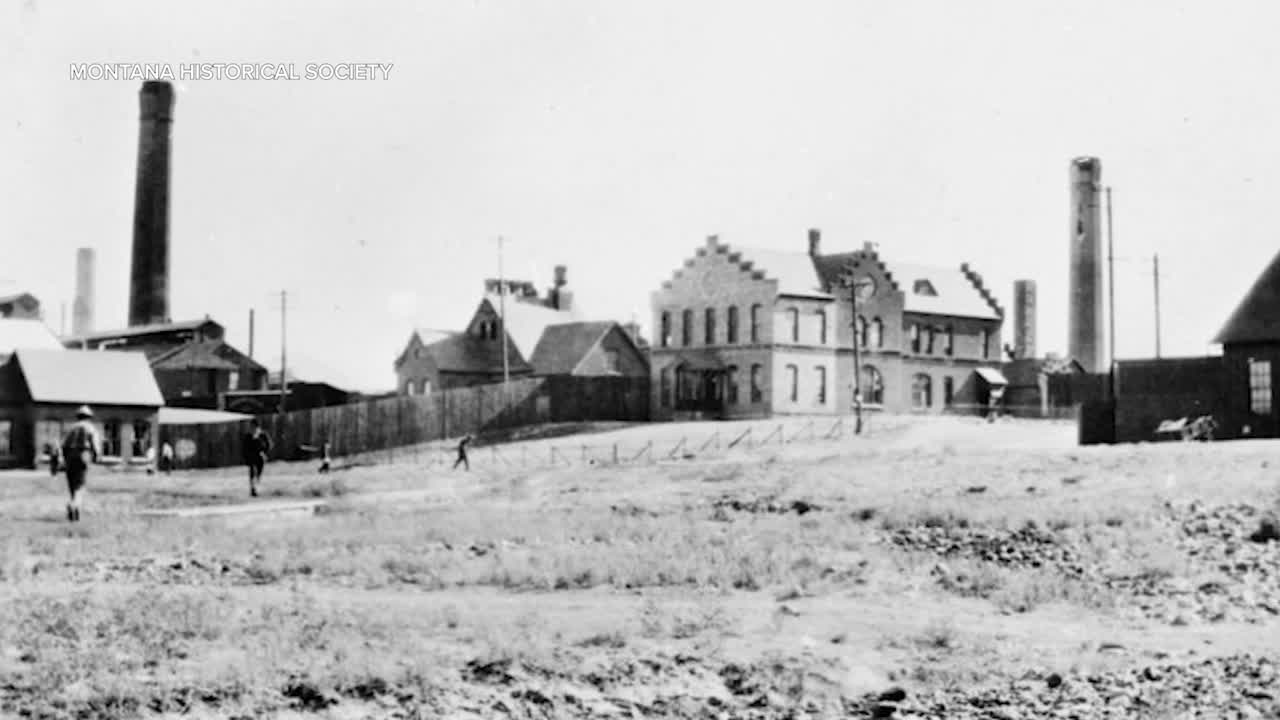


EAST HELENA — There’s not much left of it now besides the slag pile, but the old ASARCO smelter is responsible for a lot of the East Helena we know today.
(WATCH: The ASARCO smelter — A history that shaped East Helena)
The history of smelting in the area actually starts 25 miles south of the Helena valley, in Wickes. In 1964, prospectors discovered rich silver, lead and zinc deposits in the area. Millions of dollars of ore were processed and shipped from the area in the following years. Now a ghost town, Wickes saw a booming population of around 1,500 residents at its peak.
By 1888, the material was in such demand that a large smelter was built in East Helena by the Helena and Livingston Lead Smelting Company.
(WATCH: A Lasting Legacy — 25 Years after ASARCO in East Helena)'
In 1898, the 160-acre site was bought by American Smelting and Refining Company, or ASARCO.
The custom smelter processed ore from all over to be refined, with the operation turning more than 70-thousand tons of bullion each year. Bullion is the term for high-purity metal achieved after the smelting process. The metal from East Helena was then shipped to other facilities to be refined further.
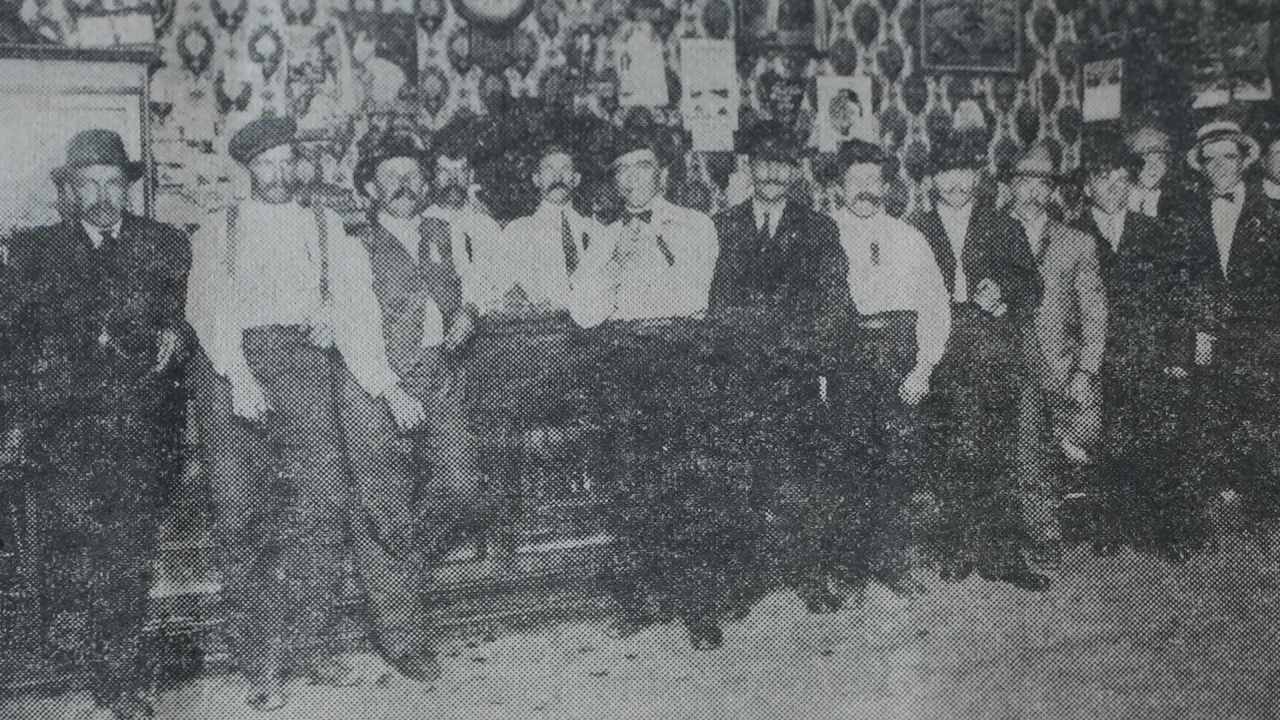
The growth at the smelter saw equal growth to the community, with people from across the country and internationally flocking to the area to work at the site.
“At the time, it was the smelter to begin with, and then people came to it,” said Pam Attardo, Helena & Lewis and Clark County Historic Preservation Officer. “It’s kind of like the mines in Butte, where you had a lot of different people from various ethnicities. There’s a Serbian in East Helena, for instance.”

During the height of operations, thousands of people worked at the smelter. Though the work could be dangerous, it paid well and fueled the local economy.
“It was the economy, it was the infrastructure, it was the place where people had their jobs, and it was always looming, you could hear it all the time,” Lewis and Clark County commissioner Andy Hunthausen said.
ASARCO sponsored and funded numerous community events and programs, from sports teams like the Smelterites to the annual fireworks display.
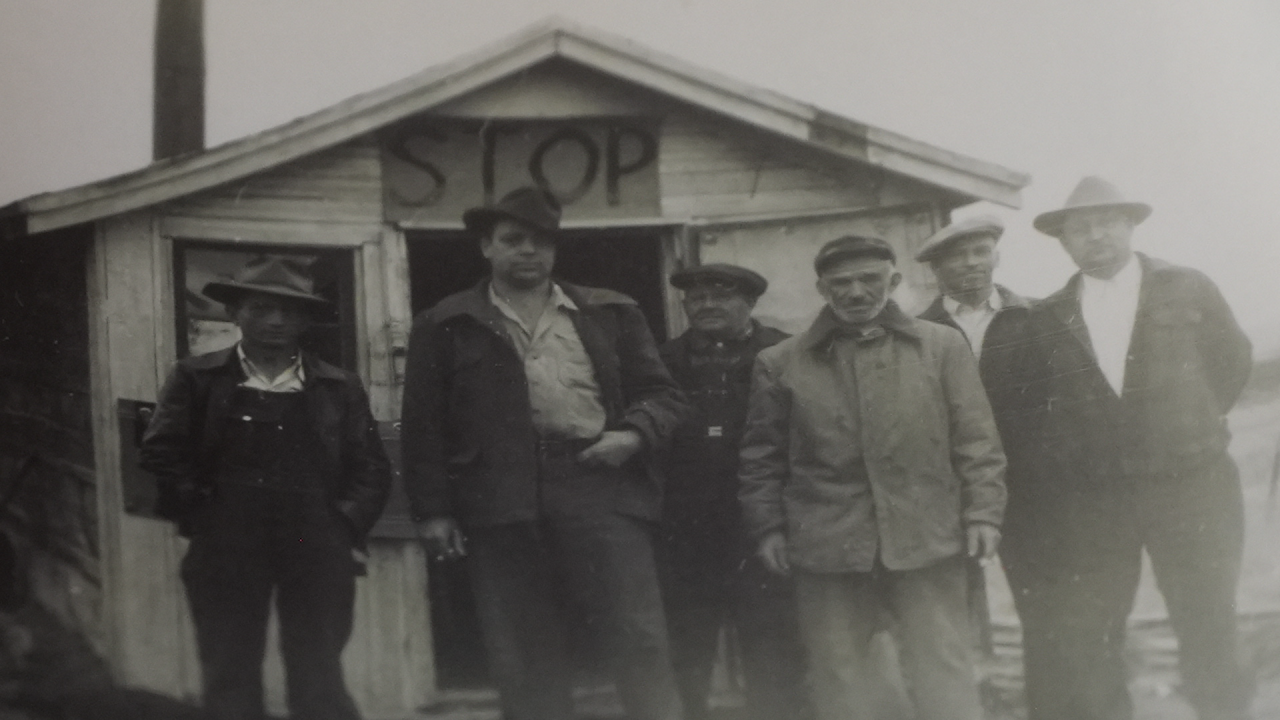
Decades of smelting operations at the East Helena site led to significant environmental impacts. In 1984, the EPA classified the area as a Superfund site after the discovery of high levels of lead, arsenic, and other heavy metals in the soil and groundwater. Initial investigations by the EPA found that children in the area had elevated levels of lead in their blood, sometimes double to triple the national average at the time.

By the 1990s, remediation work was underway to address the environmental and health impacts.
Grupo Mexico, one of the largest mining companies in the world, purchased ASARCO in 1999. In 2001, the East Helena smelter closed.
“It was always kind of rumored that it would shut down someday, but it was definitely, when it happened, it was shocking and it was a scary time,” East Helena mayor Kelly Harris said.
In August 2009, the smelter’s iconic stacks came down, but you can still find echoes of its history around East Helena today.
Before it was the East Helena Historical Museum, the small building by East Helena City Hall was the East Helena Depot for the Northern Pacific Railroad.
“It saw all that ore going through there—millions of dollars, how many millions of dollars of ore went through there on the railroad,” Attardo explained.

East Helena City Hall is home to a pair of circular windows with Star of David in the middle, a third housed at the Montana Jewish Project. Those windows once adorned an ASARCO building constructed by the Guggenheim family, who owned the company in the early 1900s.
“It had these corbie-step gables, like what you see in some place like Belgium and the Netherlands,” Attardo said of the building.
That building is gone, the smelter’s stacks torn down, but the impact of the ASARCO plant on East Helena remains.
