

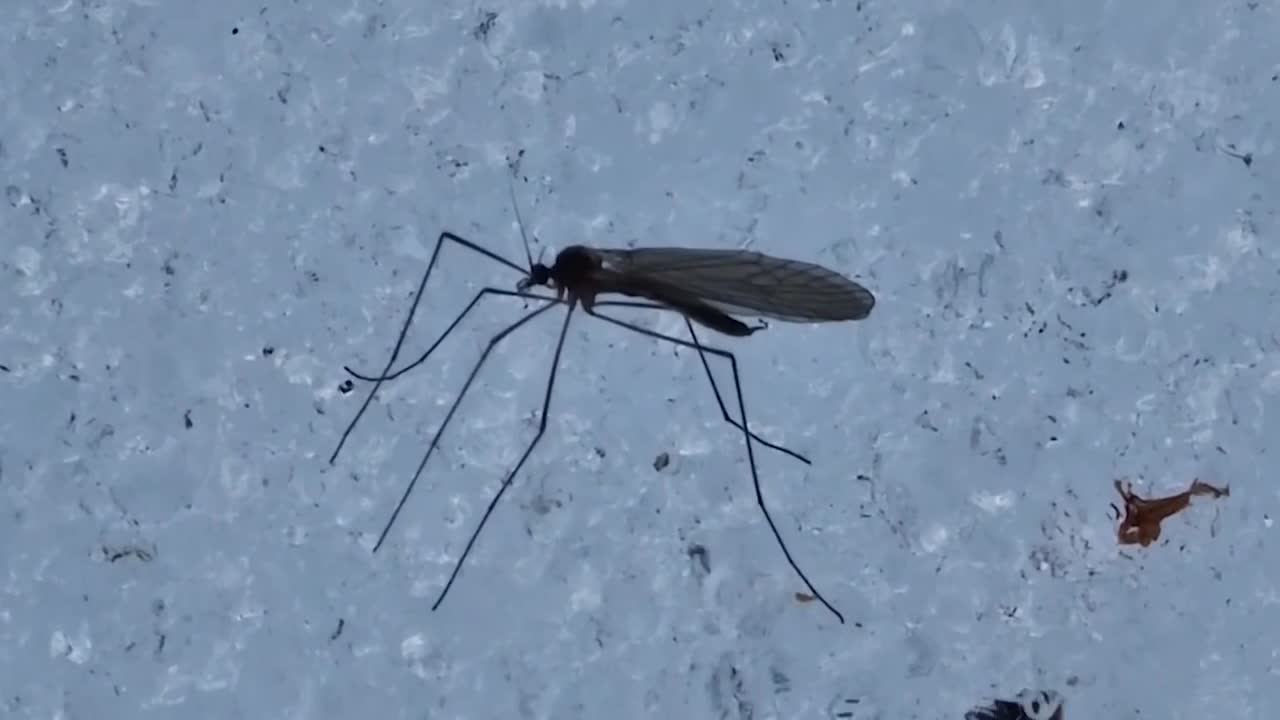


HELENA — Who else has already seen or been bitten by mosquitoes this spring? After a few warm days earlier in April, there was a bit of a buzz with mosquitoes in the air.
Montana has 51 species of mosquitoes, with peak activity between May and September. Montana has had a wet spring, and mosquitoes lay eggs on damp soil and standing water.
But recent snow and sub-freezing temperatures may have taken a bite out of the pesky pest. When temperatures drop, their metabolism slows, leading to inactivity. Most adult mosquitoes become inactive when temperatures fall below 50 degrees. Freezing temperatures are lethal for most adult mosquitoes not in a dormant state. In a hard freeze with temperatures in the 20s for several hours, most exposed mosquitoes can be wiped out, as ice formation damages cells and tissues.
However, mosquitoes can survive through the winter months by entering a form of hibernation. Many mosquito species lay cold-hardy eggs in the fall that can withstand freezing through winter and then emerge in the warmer months of spring.
Snow and cold temperatures slow mosquito development by reducing metabolic rates, delaying egg hatching and larval growth, but will not completely eliminate mosquito populations. Temperatures of 15 degrees below zero are needed to severely damage bug populations.
So while we can't control the weather, we can control areas of standing water around our homes to help limit their habitat.
