

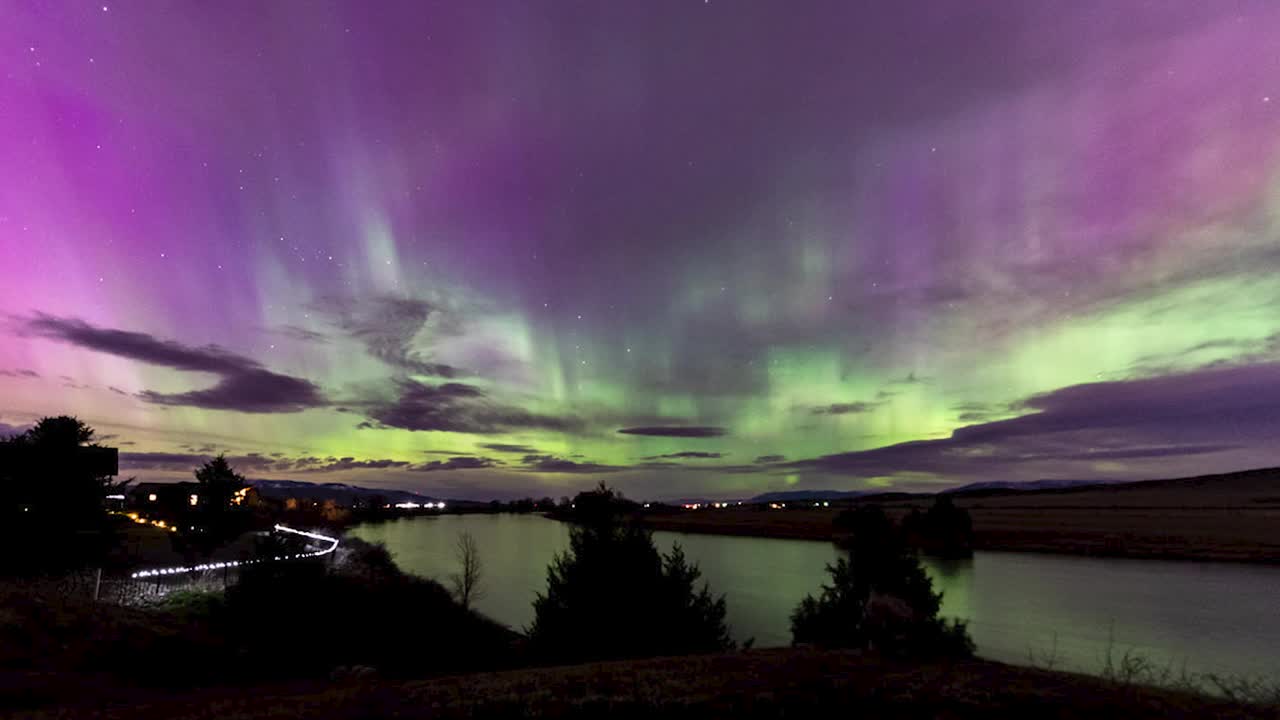


Did you see the aurora borealis over the summer solstice weekend? No? There may be a reason for that - solstices do not like the northern lights. Not to say the aurora cannot happen on the summer or winter solstice, but the position of the Earth relative to the sun does not favor creating a light show at night.
The reasoning is some magnetism, geometry, and something called the Russell-McPherron effect. The magnetism is the north and south poles of the Earth. The geometry is the position of the poles relative to the sun. The Russell-McPherron effect states that the magnetic connection between the sun and the Earth is strongest around the spring and autumnal equinox.
It's at the equinox when Earth's poles are virtually perpendicular to the sun's solar wind, it's more likely that a hole opens in the Earth's magnetic field, allowing the northern lights to form.
At the summer and winter solstice, the poles are tilted either toward or away from the sun, a position not favorable for a hole in the magnetic field, reducing the chances of the lights. Perhaps this is why several geomagnetic storms over the last few weeks have resulted in disappointed night sky viewers.
So long summer solstice, as the earth now tilts back to the autumnal equinox position.
