



The buzz surrounding a major initial public offering can make buying shares on day one feel like a rare opportunity.
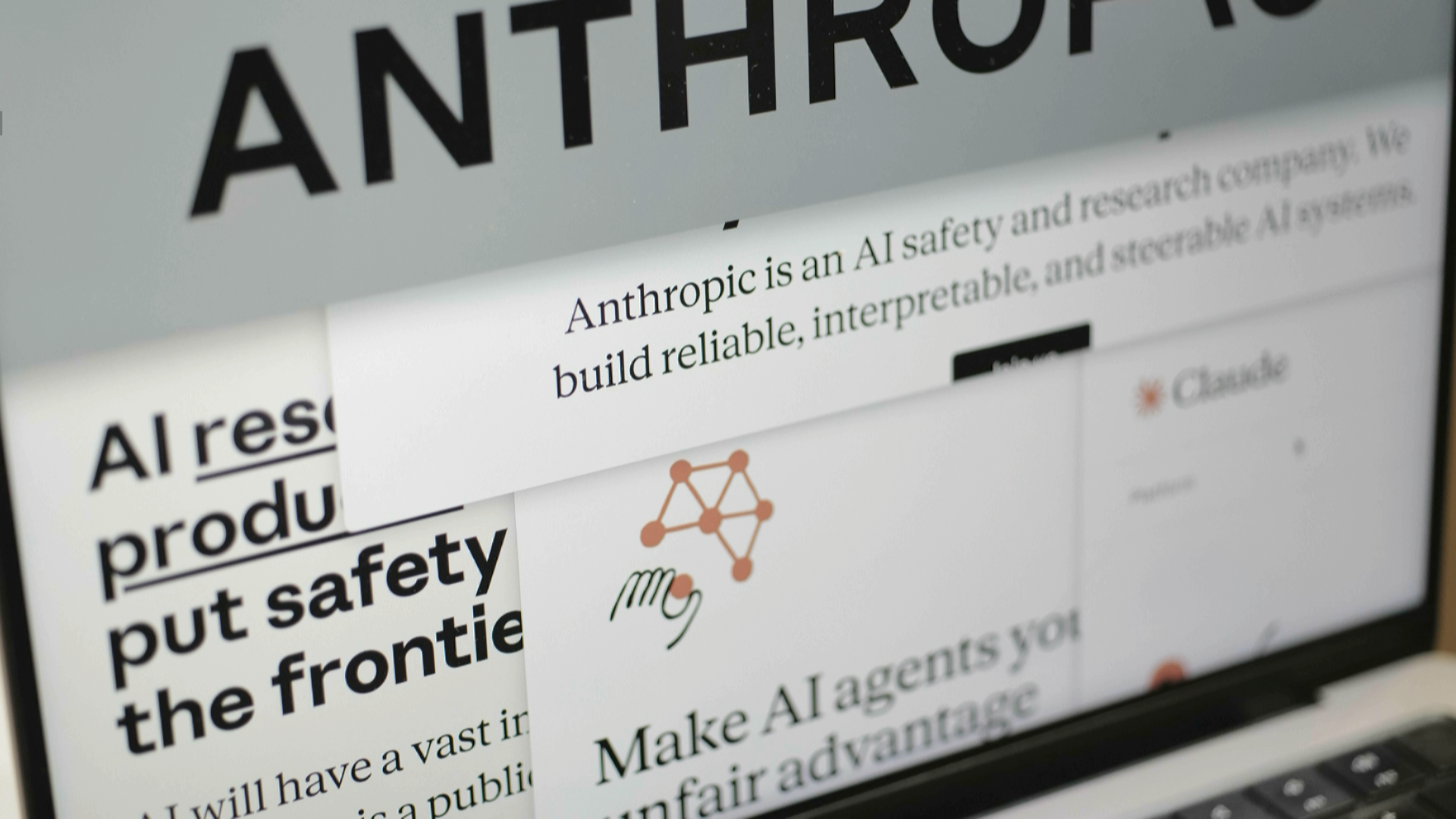
Anthropic, the artificial intelligence company behind the chatbot Claude, is the latest high-profile company preparing to make its Wall Street debut. But whether it’s an AI company or another closely watched brand going public, financial experts say everyday investors should understand how an IPO works before rushing to buy.
RELATED STORY | Anthropic to seek $1.4 trillion valuation in blockbuster IPO
One important distinction: The IPO price you hear about before a company goes public may not be the price you get.
Ryan Sterling, founder and CEO of NerdWallet Wealth Partners, explains that shares at the initial IPO price are typically allocated through brokerage firms, often to institutional investors and certain clients.
“Brokerage houses will normally get a certain amount of shares that they can allocate to their clients, and they have to decide how to make those allocations available,” Sterling said.
Once shares begin trading publicly, supply and demand take over. That can push the stock above or below its initial offering price, sometimes quickly.
“They want to stimulate demand. If the stock goes out at $75 a share, by the time it's available to the public, it could be in the 80s or 90s. It really depends,” Sterling said.
Don’t confuse share price with valuation
Another common mistake for new investors is focusing too heavily on the price of an individual share.
Sterling said a bigger question is what investors believe the entire company is worth and whether that valuation can be justified by its financial performance and growth prospects.
For Anthropic, the company is seeking a valuation of more than $1.3 trillion.
“Do I think a valuation of $1.4 trillion for Anthropic is that fair valued? Is that undervalued? Is that overvalued? The price per share is really irrelevant,” Sterling said.
That distinction is important because a stock trading at $20 per share isn't necessarily “cheaper” than one trading at $100. The number of shares outstanding and the company's total market value matter when evaluating the business.
The risk of buying into IPO hype
Big-name IPOs can generate excitement, particularly when they're tied to fast-growing industries such as artificial intelligence. But enthusiasm does not guarantee an investment will immediately rise.
Newly public stocks can experience significant swings as investors determine what they're willing to pay for a company. A business can also be growing quickly while simultaneously spending heavily or losing money.
RELATED STORY | Anthropic plans to go public in what could be the biggest stock offering ever
Anthropic illustrates that tension. The company reported surging revenue from 2025 to 2026, but also an $80 billion net loss in the first half of this year.
“For me, personally, I will say, I pass on IPOs,” Sterling said. “I wait for them to become part of the diversified portfolio over time.”
Waiting doesn't necessarily mean missing out
Investors who sit out the first day can still have opportunities to own a newly public company later. One option is simply waiting until a stock has traded publicly for a while, giving investors more information about how the market values the company.
Investors may also gain exposure through diversified funds. Sterling notes that an actively managed mutual fund, for example, could choose to add shares of a newly public company to its portfolio.
That can give investors exposure without placing as much emphasis on the performance of a single stock.
RELATED STORY | ‘A million dollars over asking’: AI wealth is fueling housing market frenzy in San Francisco
SpaceX offers a recent example of why first-day performance doesn't necessarily tell the whole story. Its shares are now above the initial offering price, but the path hasn't been straight up. Shares have also traded below their IPO price.
A few things to consider before buying an IPO:
- Understand what you're actually paying. The publicly traded price may be substantially different from the advertised IPO price.
- Look at the company's valuation, not just its share price. A lower dollar price per share doesn't automatically make a stock inexpensive.
- Review the financials. Strong revenue growth doesn't necessarily mean a company is profitable.
- Be prepared for volatility. Newly public stocks can see sharp price swings after trading begins.
- Consider diversification. Buying a single stock carries different risks than gaining exposure as part of a broader mutual fund or diversified portfolio.
- Remember that you don't have to buy on day one. There can be opportunities to invest after the initial excitement settles.
In a regulatory filing, the five-year-old AI company said it plans to sell 825 million shares priced between $70 and $78 a share. That would give Anthropic the ability to raise more than $61 billion.
Shares are expected to start trading on Nov. 19, but the official date can still shift.
