

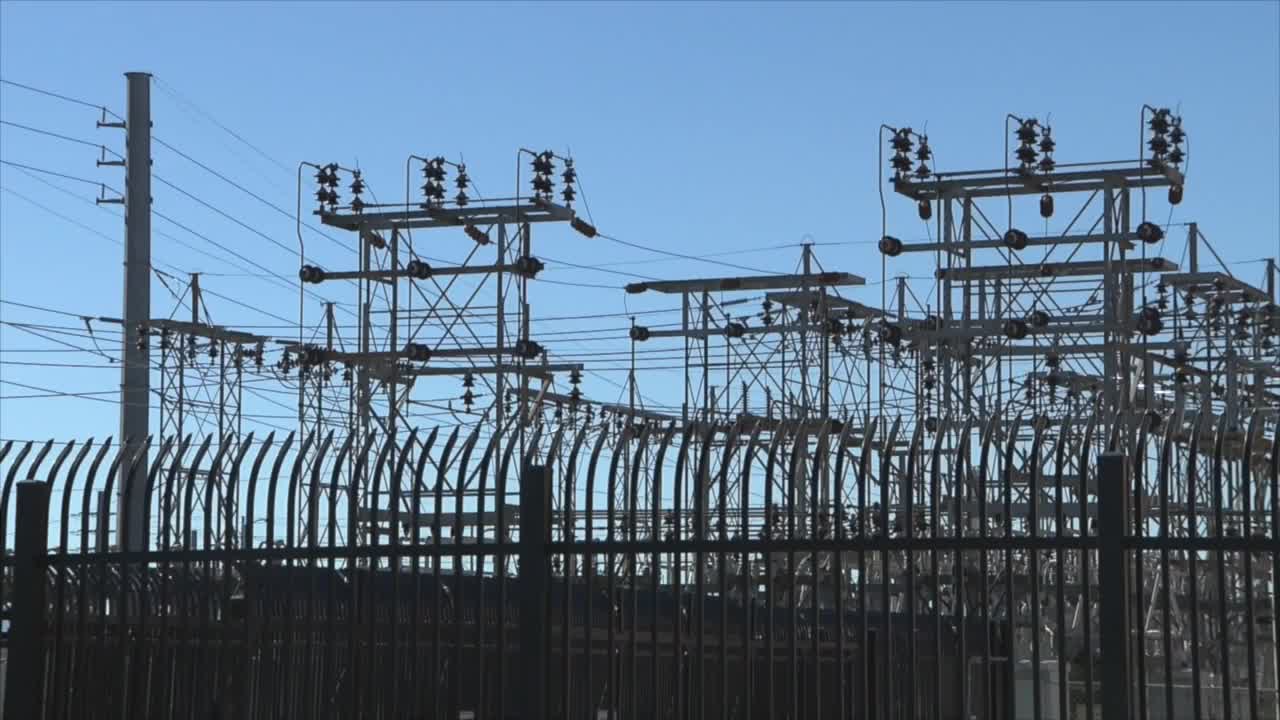


The data center boom in places like Arizona is creating a massive new demand for electricity, just as the state’s largest power company is already confronting record summer power use.
Phoenix is one of America's hottest cities, where air conditioning is essential and pushes the power grid to the limit. Some homeowners already receive bills topping $1,000 a month during the summer months.
Arizona Public Service, which serves approximately 1.5 million homes and businesses, recorded an all-time high usage rate of 9,164 megawatts (MW) around 6 p.m. on Aug. 2, 2026. The peak power demand that day was 6% higher than the prior year, when a previous record of 8,648 MW was set on Aug. 7, 2025.
That leaves Arizona facing questions that other communities across America will confront: Will there be enough electricity, and who pays for it?
Residential Electricity Bills Soar
Ricardo Reyes says his electric bill keeps climbing even when his family of seven tries to conserve. Usually, the family keeps the thermostat at 77 degrees.
"This is from last month, so you can see it's already gone up from a year ago," Reyes said. He showed us September's $1,100 utility bill for his 4,000-square-foot Phoenix home. The bill was $300 more than the same month in 2025.
RELATED STORY | Nearly 500 communities across the country have paused data centers
Reyes, who runs an advocacy group for veterans, joined a protest in May against higher electricity costs. His power company, Arizona Public Service, is the largest power provider in the state. APS is asking state regulators to raise rates for residential customers by 14% and extra-large user rates by 45% for customers like data centers.
"We're seeing a surge in data center activity, not just in Arizona but nationally," said Greg Bernosky, APS director of large customer strategy and development.
Bernosky says data centers accounted for 7% of APS's peak demand last summer. When asked what percentage of power would go to data centers 5-10 years from now, Bernosky said, "I don't know right now."
Predicting Future Power Needs
Dozens of new data centers are being built or planned across Arizona. In the desert west of Phoenix, two proposed projects — Tract in Buckeye and Hassayampa Ranch — are so massive they could draw up to 3,300 MW combined, according to their developers. That’s the same capacity needed to continuously power approximately 528,000 Arizona homes, according to APS's power-use estimates. By comparison, Arizona’s Palo Verde Generating Station, one of the nation’s largest nuclear plants, generates 4,000 MW.
"What we've been trying to do is get ahead of the large and the volume of these types of customers that are coming, and make sure that we do that fairly, so that residential and small commercial customers aren't paying for those investments," Bernosky said.
APS calls the approach "growth pays for growth," signing long-term contracts with large users to pay for the infrastructure and energy they're requesting. Other major Arizona utilities, including Salt River Project, say they have similar policies.
Who Pays?
In Mesa, Arizona, NTT data center executives showed us inside their facility, where increasingly powerful computer servers are consuming more electricity.
"If we're using that power, that means medical records are being processed. That means texts are being sent. That means phones are being used," said Bruno Berti, chief technology officer at NTT Global Data Centers.
IN CASE YOU MISSED IT | AI interest groups pour tens of millions of dollars into 2026 election
Berti said the company worked with its utility company for years before breaking ground.
"We paid for all that infrastructure. We paid for all that transmission, and we bore all the cost of that. That was not borne by the community whatsoever," Berti said.
Consumer advocates question whether growing demand from data centers could drive up costs for everyone else.
"The utilities will say growth is paying for growth. However, it's a great mantra, but it really is meaningless if elected officials aren't really doing a serious analysis and holding the utilities accountable," said Diane Brown of Arizona Public Interest Research Group.
When regulators vote on APS rates in December, Reyes wants them to keep the price of data off families like his and the veterans he serves.
"They are on a very fixed income,” Reyes said. “A few hundred bucks extra a month, a few thousand extra a year is a huge hit to them."
Arizona offers a glimpse at the challenge ahead: keeping servers running, keeping homes cool, and deciding who pays for the power they both demand.
This story was originally published by Melissa Blasius with the Scripps News Group in Phoenix.
