


HELENA — Smoke filled the air, fire trucks rolled in, and dozens of emergency responders moved with purpose Friday at the Rocky Mountain Emergency Services Fire Training Center — all part of a full-scale aircraft emergency exercise at the Helena Regional Airport.
Watch the full story here:
The drill brought together agencies from across the Helena area, including local fire departments, St. Peter's Ambulance, airport emergency crews, the Federal Aviation Administration, and many more.
Mike Anderson, the Helena Regional Airport's Emergency Services Coordinator, said the community is prepared if the real thing ever happens.
"Helena Airport is ready if there's an airport crash," Anderson said.
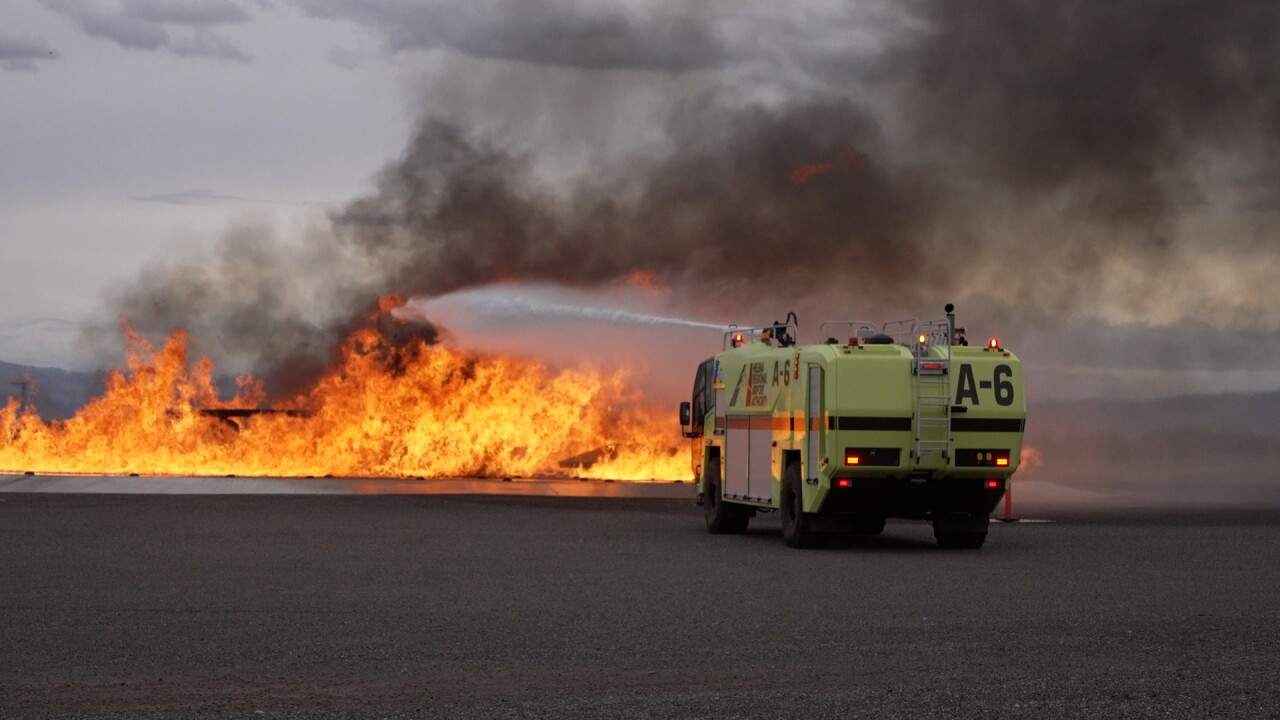
The exercise was more than six months in the planning and is required by the Federal Aviation Administration every three years.
Helena Regional Airport Director Jeff Wadekamper said the purpose goes beyond checking a regulatory box.
"I think for good reason, to just ensure that everything in your plan is updated and everybody knows their role and their task," Wadekamper said. "It's muscle memory, basically, so that when things like this happen, everybody knows what to do, how to do it."
Carroll College students volunteered as simulated crash victims, transported by ambulance as responders practiced rescue operations under realistic conditions.

Sofia Paris, a Carroll College student who participated as a victim volunteer, said the experience offered something a classroom cannot.
"Once you actually see something in the field, you realize how much different it is than you read about it and you did it online, or you practiced on a dummy," Paris said.
With artificial flames, fire trucks, hose lines, and multiple agencies operating simultaneously, officials said one challenge consistently rises above the rest.
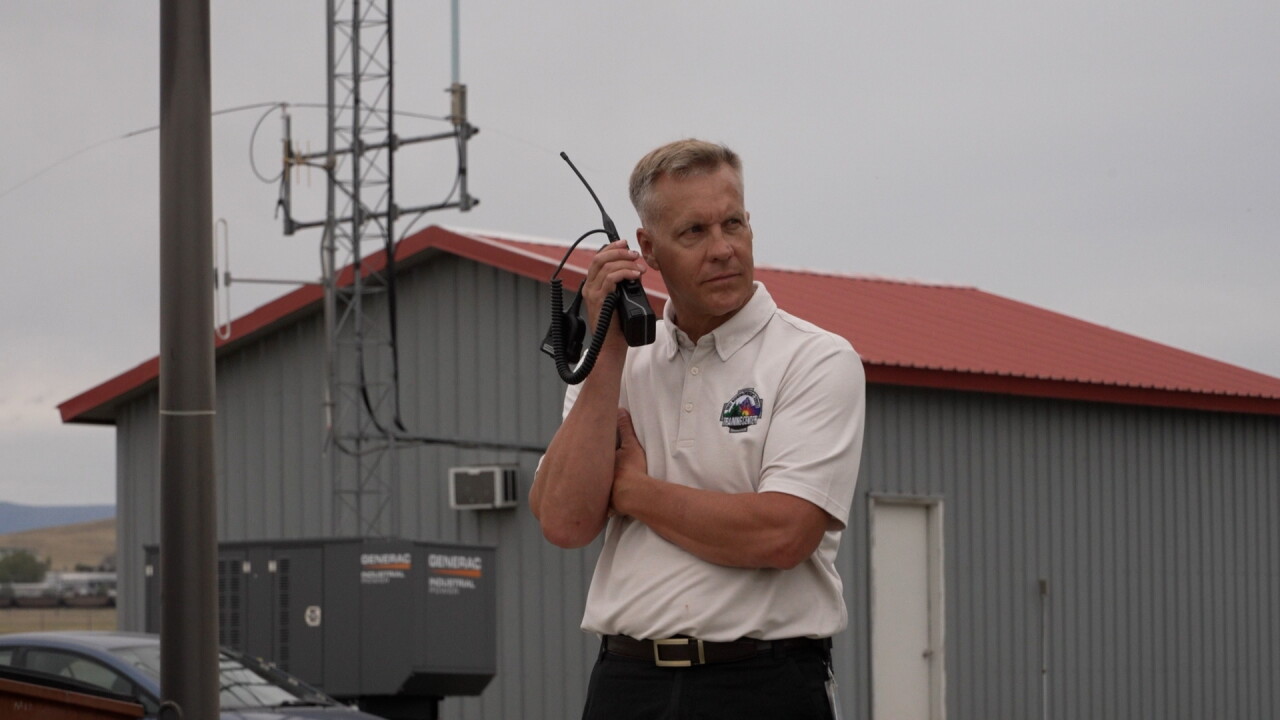
Anderson said communication remains the hardest part of managing a large-scale emergency.
"Always during an after-action report, it's 'well, I didn't hear that' or 'my radio didn't — I wasn't on that frequency,'" Anderson said. "Communication is always the toughest part of an emergency scene."
Helena is home to one of only three remaining civilian aircraft rescue fire training centers in the Western United States. Wadekamper said that asset allows the airport to add a level of realism to drills that cannot be replicated in a classroom setting.
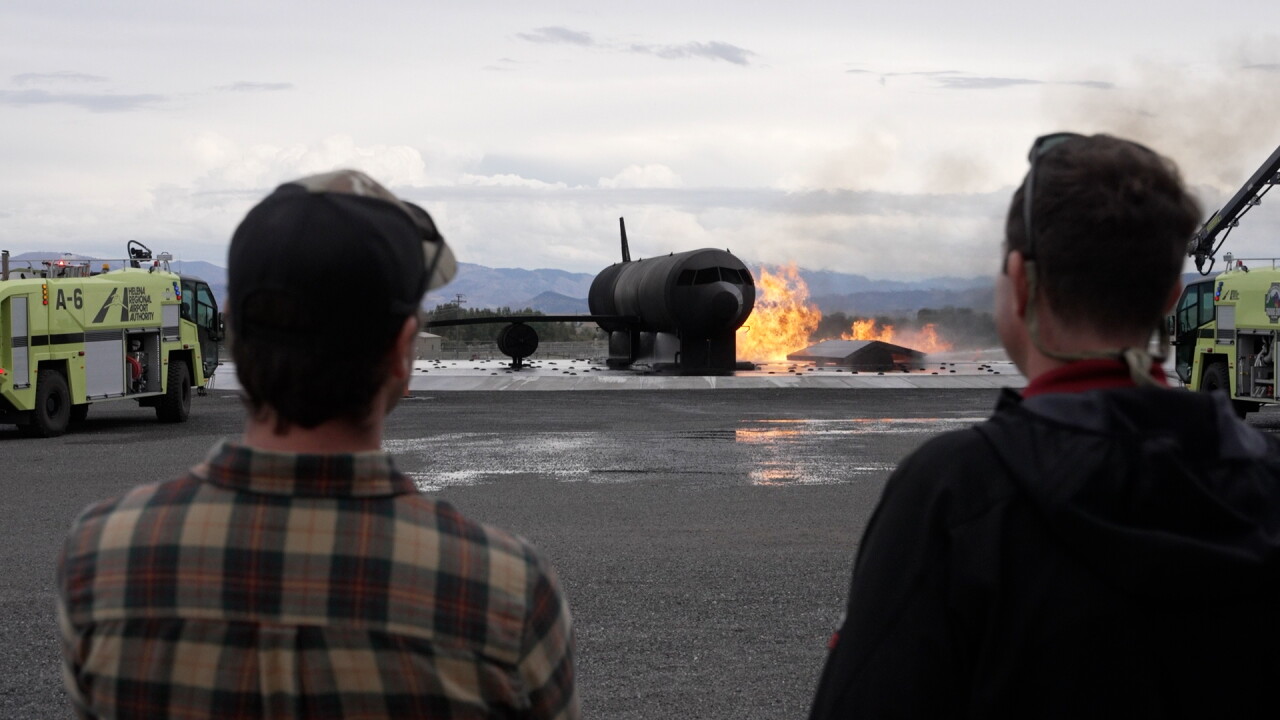
Airport officials say flying on commercial airlines remains statistically the safest form of transportation — and exercises like Friday's are part of what keeps it that way.
Anderson said the region's emergency teams are ready to work together when it counts.
"We're ready. We can work together to mitigate that risk and save lives," he said.
Airport leaders said the exercise tested everything from communication to rescue operations under realistic conditions, giving agencies a chance to identify strengths and improve response plans before a real emergency ever happens.
