


At the Helena Regional Airport, officials say wildfire season doesn’t just impact the community on the ground — it dramatically changes what’s happening in the air.
Watch the full story here:
Increased firefighting operations and emergency response flights have airport crews and air traffic controllers working around the clock to keep operations safe and efficient.
“Oh it's been busy,” said Helena Regional Airport Director Jeff Wadekamper. “There's been a lot more air traffic this summer than there was last year. Our air traffic numbers were up about 11.5% from July of last year.”
From large air tankers to helicopters, firefighting aircraft from multiple agencies — including the Forest Service and Montana Department of Natural Resources and Conservation (DNRC) — regularly move through the airspace.
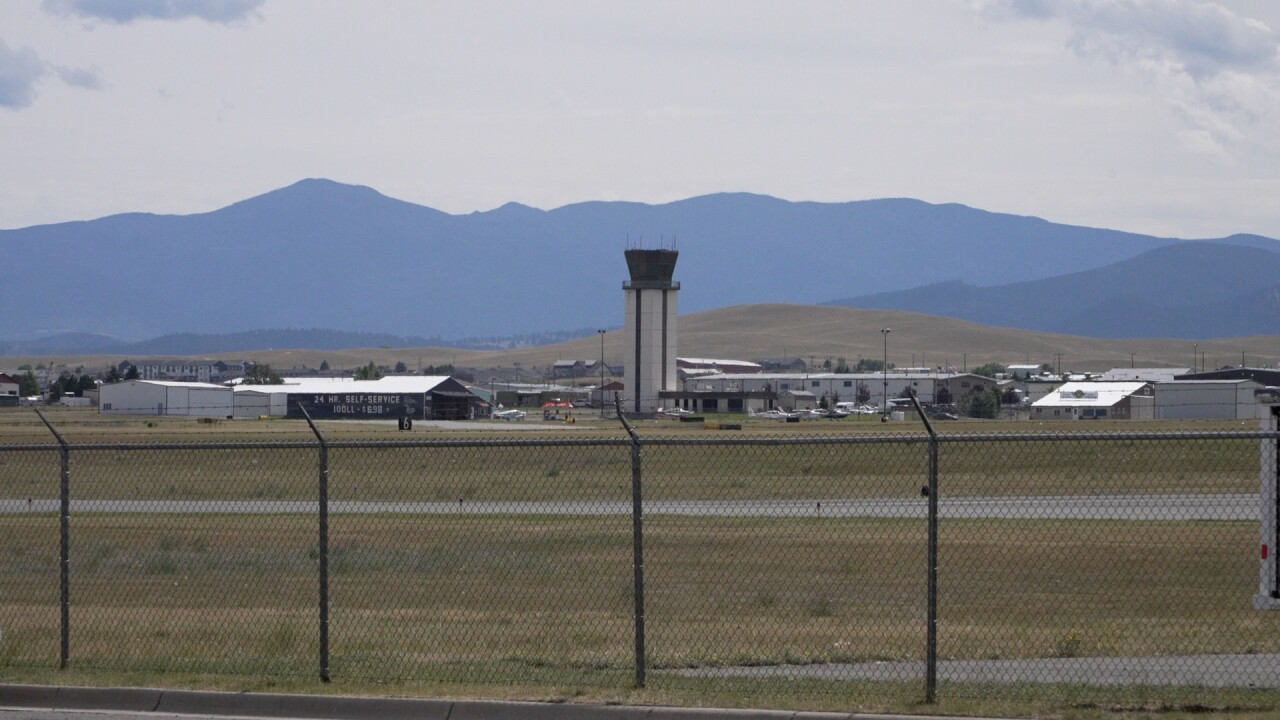
Combined with commercial flights, military training operations from the national guard base and daily private aviation traffic, it can get crowded quickly.
Still, Wadekamper says commercial passengers likely will not notice delays.
“Firefighting aircraft, much like medevacs, receive priority,” Wadekamper said, “but there's a lot of procedural things they do to keep those aircraft coming and going without really impacting each of their operations.”
The airport’s central location and rapid retardant loading capabilities make Helena a key hub for wildfire response across Montana.
Wadekamper says activity varies and can shift in an instant.

“A few weeks ago when the Spokane fires started, there were six tankers here working that fire that was out by White Sulphur Springs, then all of a sudden, they all one after another, headed west all at one time.”
Crews are prepared for many situations.
“So just that quick, when something comes up that's a higher priority, they'll reprioritize and move those assets around, and they can just as quickly come back here if they’re needed,” Wadekamper said.
Behind the scenes, crews continue preparing for whatever comes next — from fueling aircraft and coordinating traffic to training emergency responders for worst-case scenarios.
Officials say they don't expect any commercial or private airlines to be impacted, and they’re ready for whatever the rest of the fire season has to offer.
