



HELENA — Prickly Pear Land Trust and Fort Harrison are celebrating 10 years of cooperative land protection under the U. S. military’s Readiness and Environmental Protection Integration, or REPI program.
Now, just six miles west of Helena, they are partnering on a major conservation effort protecting nearly 200 acres.
(Watch the full story below)
“It is an honor to be partners and to be able to do this work together,” Mary Hollow, the executive director at Prickly Pear Land Trust, said.
The project was made possible through funding from the REPI program, supported by the Montana National Guard and a generous contribution of land value from the Double L family land.
“It is important for us because when you start putting houses in locations, you start changing safety requirements and all those sort of things, and that all has impact on our training, which has a direct impact on our readiness,” Brigadier Gen. Trent Gibson, the adjutant general for the Montana Army National Guard, said.
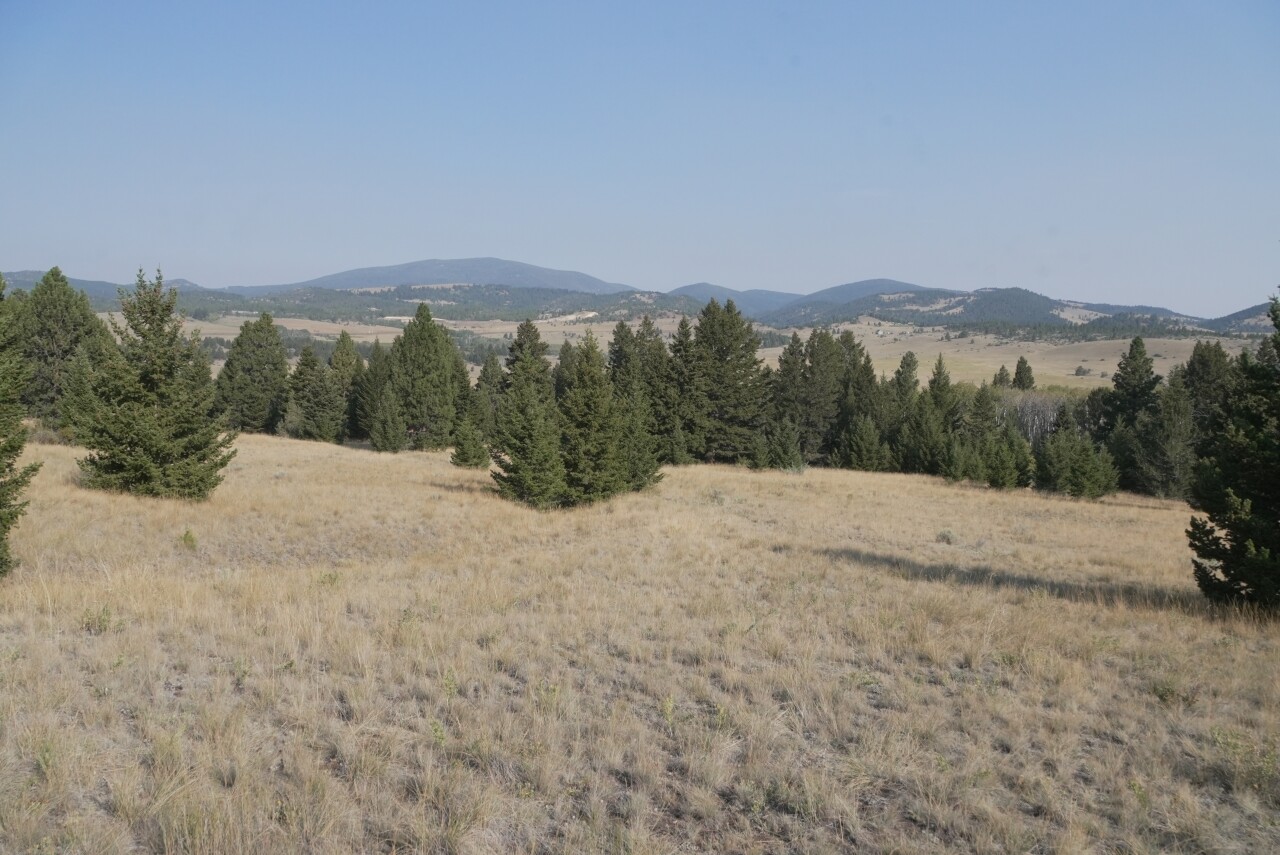
By conserving open space around Fort Harrison and the training area, the War Eagle property helps prevent development, supporting military readiness directly.
“Open spaces make great neighbors, and the fact that Army training is inherently loud, it doesn’t happen between 8 to 5, so us being able to have a buffer between the public and reduces that friction,” Gibson said.
Since 2016, PPLT has dispersed around $14.5 million REPI dollars, matched with $7.5 million from partners and landowner donations, all to purchase conservation easements on over 7,000 acres and fee title on 2,500 acres around Fort Harrison and Limestone Hills.
This land acquisition is not just benefiting the military, but also wildlife that use the area as a migration corridor.
“There is a lot of wildlife that use this property- elk, bear, moose, deer, mountain lions,” Hollow said. “So for species movement back and forth in this area, it is a key piece.”

Montana Fish, Wildlife and Parks and the Helena-Lewis and Clark National Forest have also supported the project. These partners guarantee public access through the block management program, ensuring hunters can access wildlife habitat in the national forest.
“It ties into the public lands that are super expansive around here, and so the access that it provides from an outdoorsman kind of perspective is huge,” Hollow added.
Together, this partnership ensures the land remains a healthy ecosystem with public access for generations to come.
