

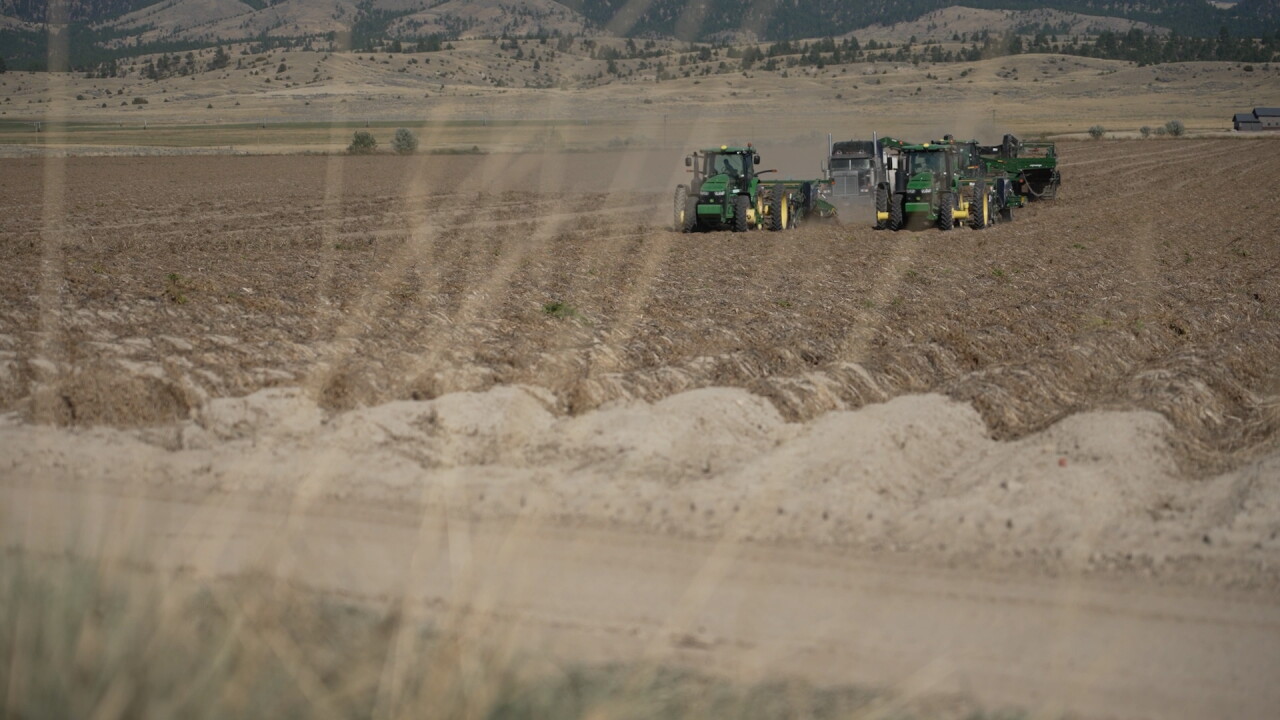


HELENA — Montana grows food for the nation, but how much of it stays on Montanans’ plates? The third Governor’s Summit on Local Food and Agriculture aims to change that, with a goal of increasing Montana-grown food consumption.
Watch this Montana Ag Report below:
Montanans consume just three percent of Montana-grown food. Now, the state wants to raise that to 33 percent by 2033 through an initiative called 33 by 33.
“Every time a Montana product hits a Montana plate, the producer benefits, the communities benefit, and the people eating it benefit,” Jillian Streit, the Montana Department of Agriculture director, said.
The summit happens once a decade and is hosted by the Grow Montana Food Policy Coalition, the state Department of Agriculture, and the Governor’s Office, which brings together producers, policymakers, and community leaders to map out how more local food can reach Montana tables.
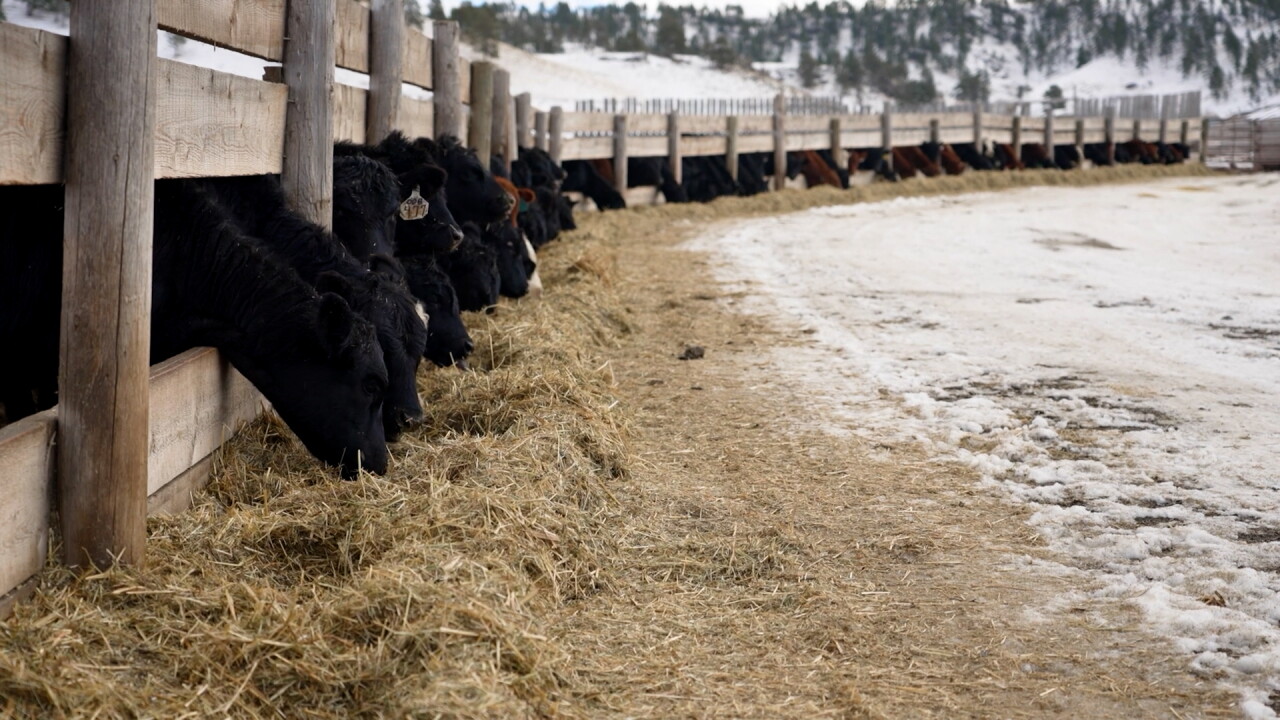
“We have world-class clean beef at a time when you don’t know the quality of the beef that comes into a lot of supermarkets. We grow high-protein, high-flavorful grains and seed oils; almost all of that gets exported, and again we don’t know the quality of the food we bring in,” Robin Kelson, executive director for Abundant Montana, said.
To meet the 33 by 33 goal, discussion focused on stronger markets, better nutrition, resilient communities, and healthier soil.
“Being from a family farm, fifth generation, turning it over to the sixth generation, we are all about healthy soils, and healthy soil means that it is going to be there for the next generation, so healthy soil transcends through the food to ourselves,” Streit said.
Previous summits in 2007 and 2016 helped get the state where we are today when it comes to local food and agriculture.
“We are definitely building off that. From those two summits, we have seen a huge amount of in-state distribution built off that; all the money went to meat processing in-state, lots of farm-to-school movements, and the Food and Ag Development Center,” Grace Nichols, the Ravalli County Economic Development Authority’s Food and Ag Development Center director, said.
Now, Montanans hope to build on that progress with a clear target and a strategic roadmap for the next seven years.
“So it turns out we have a lot of the pieces already in place. Montana has been working on this at a regional level for a long time, for probably two if not three generations. What needs to happen now is to connect all those pieces,” Kelson added.
The goal is to turn these discussions into action, connecting Montana farmers with more buyers and getting more locally grown food onto Montana tables.
