

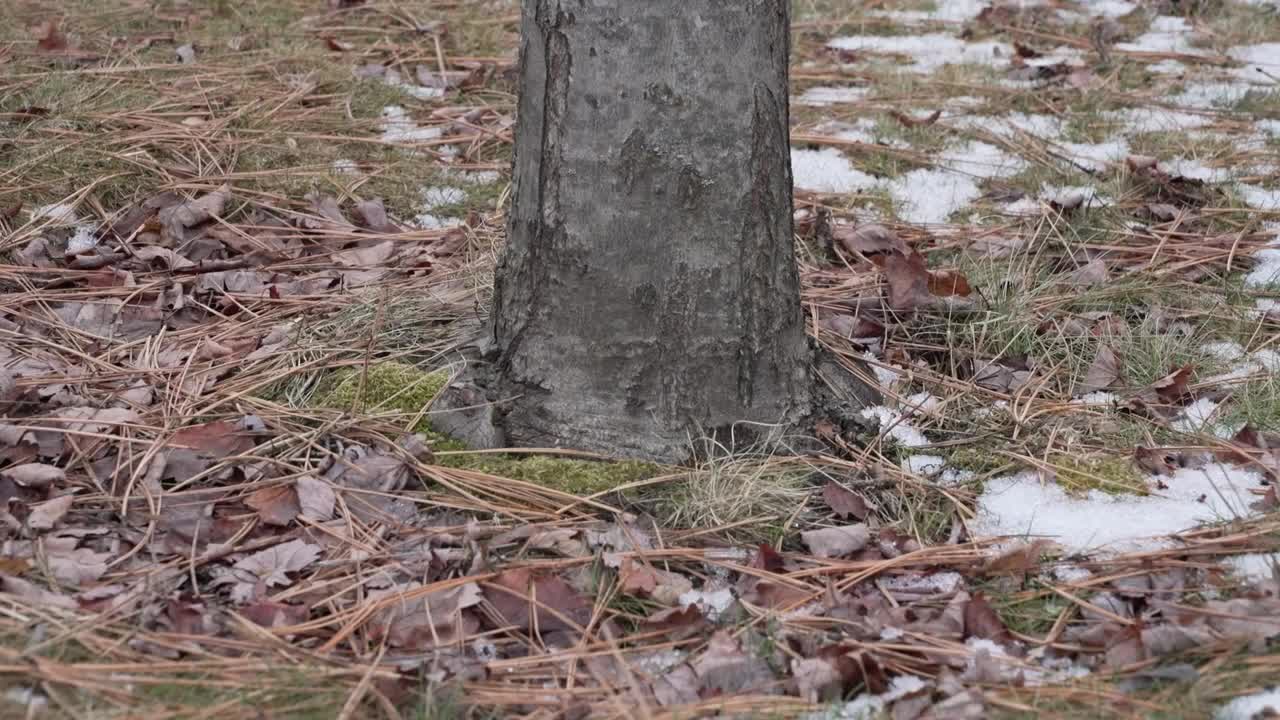


It’s been a warm winter, with little snow in the lower elevations of the greater Helena area. Botanical experts say it could be having an impact on several tree species and other plantlife.
“Typically, here up at Tizer, we are blessed to have a lot of snow, and at the moment, we don’t,” said Tizer Botanical Gardens and Arboretum manager.
Auch tends the grounds in the winter, keeping the trees alive through the season. As temperatures change, plant growth is affected.

“The Helena Valley itself is experiencing the second least snowy January ever on record, so it has been a very dry month,” said MTN meteorologist Joey Biancone.
During the winter, trees need two things: snowpack to keep the roots cold and dormant, and moisture in the roots to keep them growing. Warmer weather waking them early could cause problems for them down the line.
“That rootball will thaw, and it can be really confusing for trees, and they think that maybe it's springtime, they need to start waking up, and they start absorbing some of that water,” Auch said. “If there's no water for it to absorb, it simply dries up and dies.”
Signs that a tree is getting dehydrated include yellow tips or even already dead ones.

While most trees don’t need careful attention, newly planted ones within their first three years require a closer eye.
“Especially for trees planted in the fall, there isn't a lot of time for those roots of those trees to grow out and establish a solid root base,” Auch said. “Because of that, they don't have a good system for holding in water, and they dry out a lot faster.”
For those concerned about keeping your own trees kicking, Auch recommends that until there's more snow, a gallon of water here and there should do the trick.
“You want to mulch your trees really heavily, and then you want to keep watering your trees at least once per week until we get a solid snowpack,” Auch said.
