


CLANCY — Contractors are wrapping up tearing out the old Park Lake Dam in the Helena-Lewis and Clark National Forest before installing the new one— a project years in the making after officials discovered problems.
Watch the full story here:
“Increased seepage was seen coming from the dam,” said Helena-Lewis and Clark National Forest spokesperson Chiara Cipriano, “and this was a necessary measure to ensure the dam's integrity stays in place.”
The lake was drained in early July, which took about two weeks and sent nearly eight million gallons of water a day down Lump Gulch.
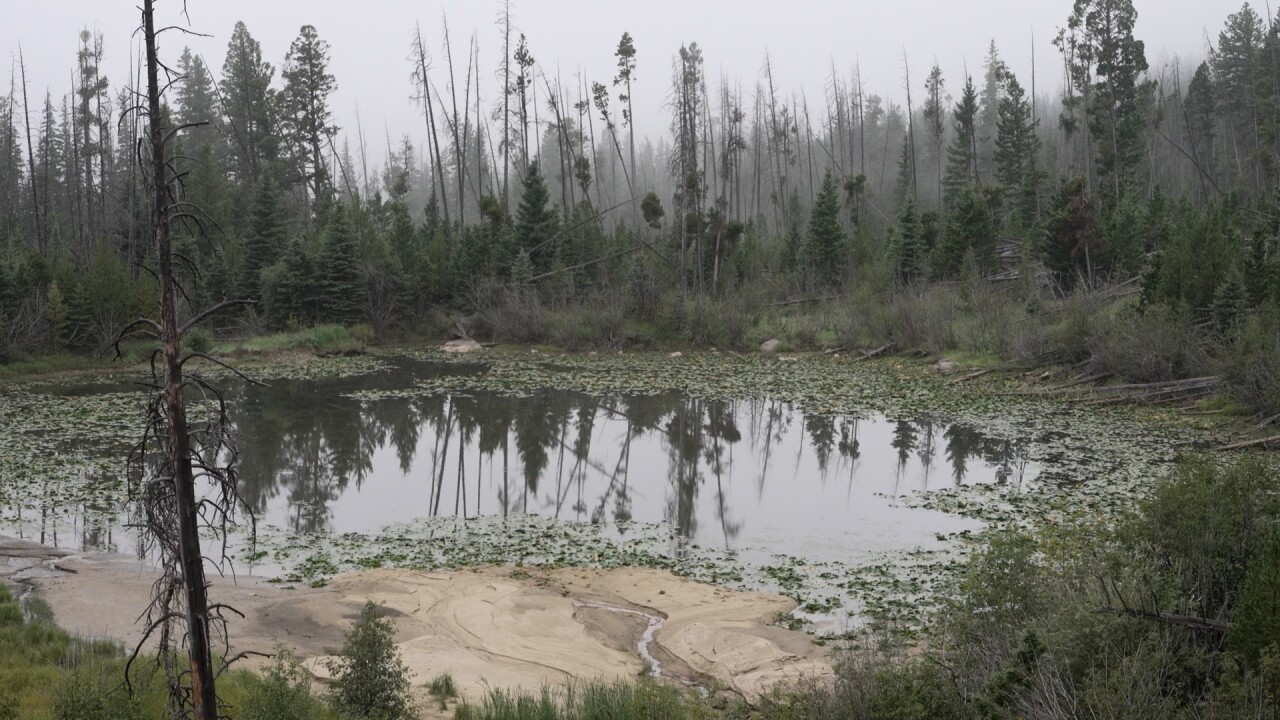
Now, crews with CK May Excavating Inc. out of Bozeman are working daily to remove the old dam and prepare the foundation for the new one.
Crews have also used rock blasting to break apart large boulders that couldn’t be moved by equipment.
Officials say the new dam will include stabilizing columns to help protect against earthquakes and barriers to prevent future seepage.

“Over time, the dams have the chance to fail, and so they mitigated the immediate risks, but a long-term solution was needed,” Cipriano said. “Fortunately, we were able to get the funding to do that work.”
The $3.7 million project is funded through the Great American Outdoors Act and also includes road restoration work near the site.
MTN spoke with contractors who said despite active construction, they've still seen wildlife present in the area.

Montana Fish, Wildlife, and Parks staff are also involved on the project, monitoring the fish populations in the lake.
Before the lake was drained, FWP fishery crews removed millions of eggs and a number of fish, expecting them to be flushed downstream.
“Historically, we've been spawning fish at Park Lake and taking their eggs elsewhere,” said FWP fisheries biologist Coltan Pipinich. “Now it's time for everyone else to kick back some fish to Park Lake and get that group of fish going.”

FWP hopes a jump start restocking the eggs will help rebuild the arctic grayling’s population come spawning season next spring.
Forest Service staff say the lake will be refilled over time naturally through rain and snowmelt, but they remain hopeful to reopen the lake next summer.
“This is such a popular site,” Cipriano said. “I know so many people who come out here for fishing, camping, just sitting out by the water paddleboarding, and so it’s really nice to preserve it for the long term.”
Officials expect work to be completed by the end of the year and remind recreationists the area is closed until work is completed.
