

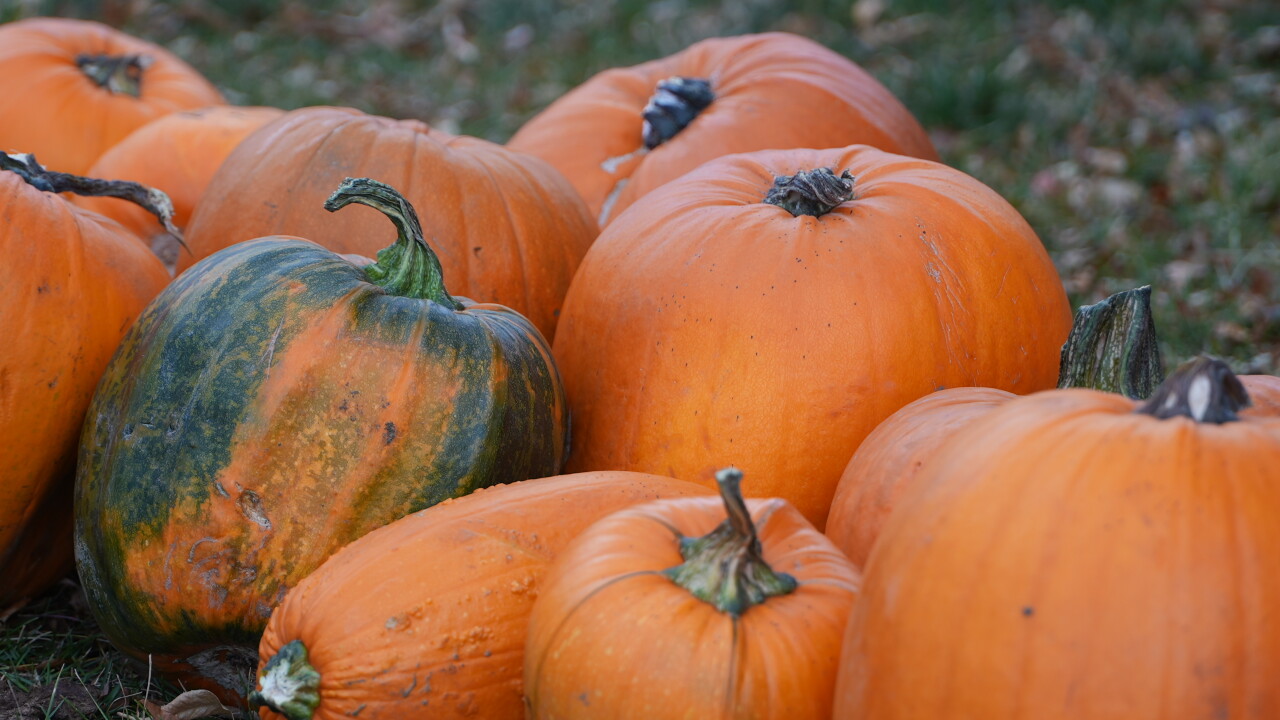


HELENA — While you might be tempted to give your jack-o’-lanterns to wildlife as a treat, it turns out they may be more of a trick.
Learn more in the video below:
“We don’t want wildlife to be feeding on pumpkins for a number of reasons. One of them is it draws them into human-dominated areas where, for like, deer could more easily be hit by a car. Concentrating wildlife can spread disease,” Danielle Oyler, Montana Fish, Wildlife, and Parks wildlife stewardship outreach specialist, said.
It's not just the deer to worry about.
“We have had a really rough year with bear conflicts, and bears are in hyperphagia right now, so they are trying to get as much food as they can to get ready for winter, and pumpkins again provide calories,” Oyler said.
It is also important to note that intentionally feeding wildlife is illegal in Montana.
So what can you do with a pumpkin when you have no more use for it?
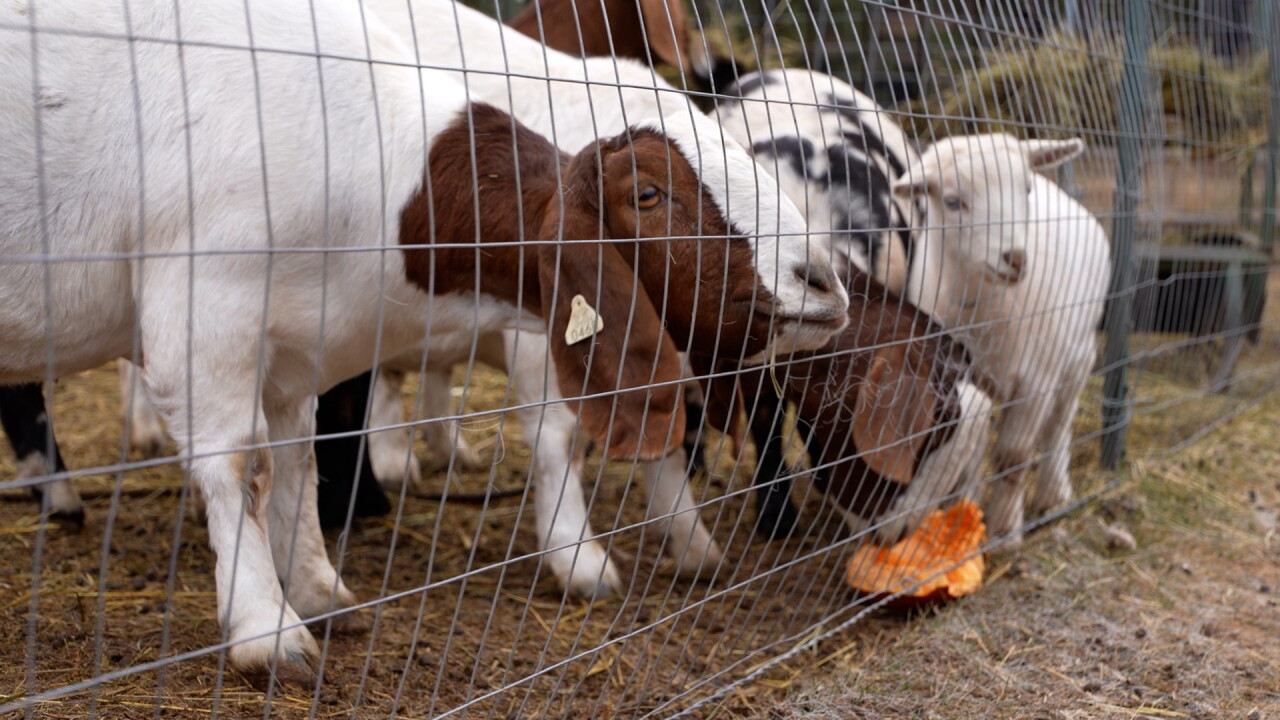
“Pumpkins are really good for livestock animals, and all of them. We have goats, pigs, chickens, geese, cows, and dogs that are on a raw diet, so none of the pumpkin goes to waste at all,” Kassi Muir, owner of Hosanna Homestead, said.
Farms take all kinds of pumpkins, but the ones that still have seeds have the benefit of acting as a natural dewormer.
Just last year, Muir’s livestock ate around 500 pounds of leftover pumpkins, and she plans to do it again, picking up unwanted pumpkins from people who reach out on Facebook or through the Hosanna Homestead page.
It's one of many farms that do the same thing this time of year.

“The cows, especially if you throw a pumpkin in and smash it, will just start jumping around at first,” Muir added.
Another way to dispose of your pumpkin is at the City of Helena’s pumpkin smash on November 13 from 4 pm to 7 pm on the Walking Mall for pumpkin bowling, explosions, and drops. Every smashed pumpkin will be collected and transported to the Lewis and Clark County Landfill. Mixed with local green waste, they'll be transformed into nutrient-rich, garden-grade compost.
