

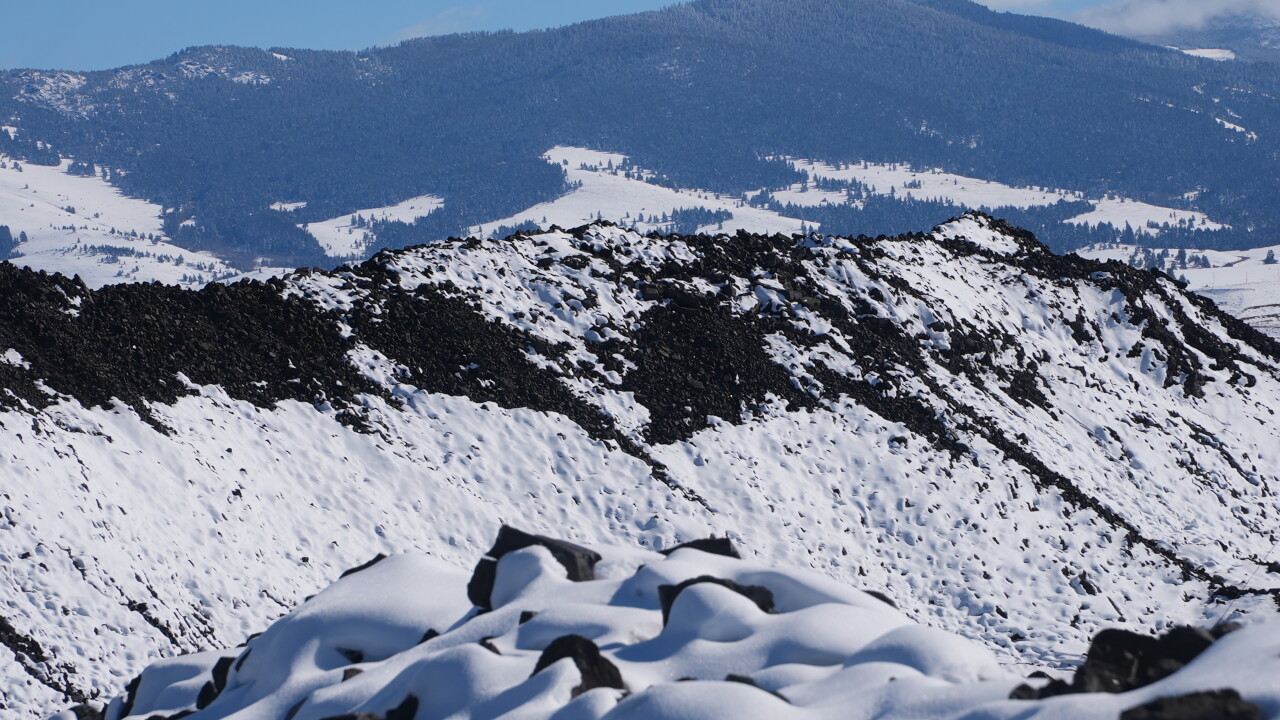


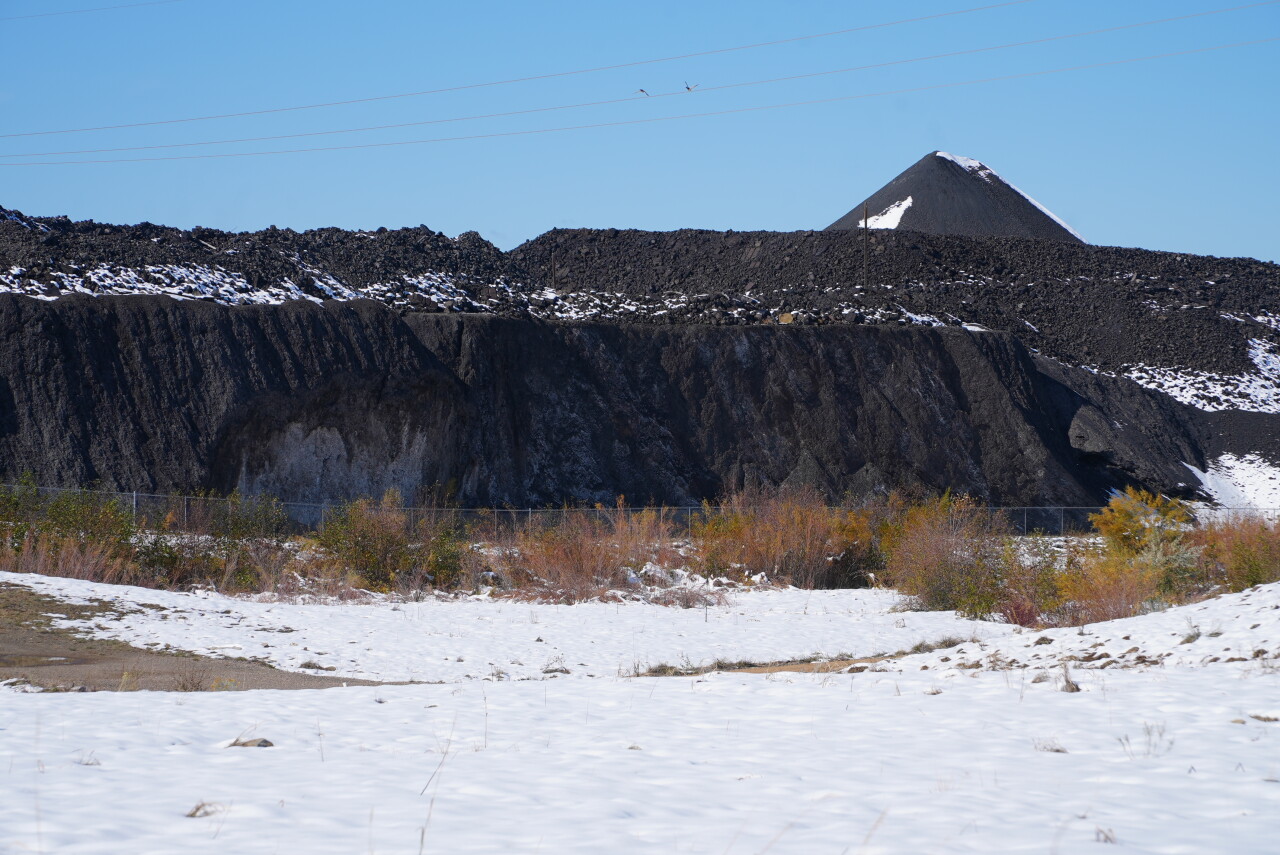
EAST HELENA — The 16-million-ton slag pile remains a reminder of East Helena’s industrial past. But years of cleanup have reduced groundwater contamination and helped make way for schools, parks, homes, and restored wildlife habitat.
“The slag pile and the smelter site in general, it’s a part of the community,” Bridget Williams, the East Helena remedial project manager for the Environmental Protection Agency, said.
Learn more about cleanup and development efforts below:
Cleanup efforts have reduced arsenic and selenium levels in groundwater by more than 50 percent since 2016.
Now, the Montana Environmental Trust Group is exploring whether the slag can be recycled for its critical minerals.
“We just put out a request for proposals from a bunch of international metals brokers and reprocessors, and so we will see what comes out of that,” Cindy Brooks, METG’s managing principal, said.
Those minerals could support national security and sustainable energy applications.
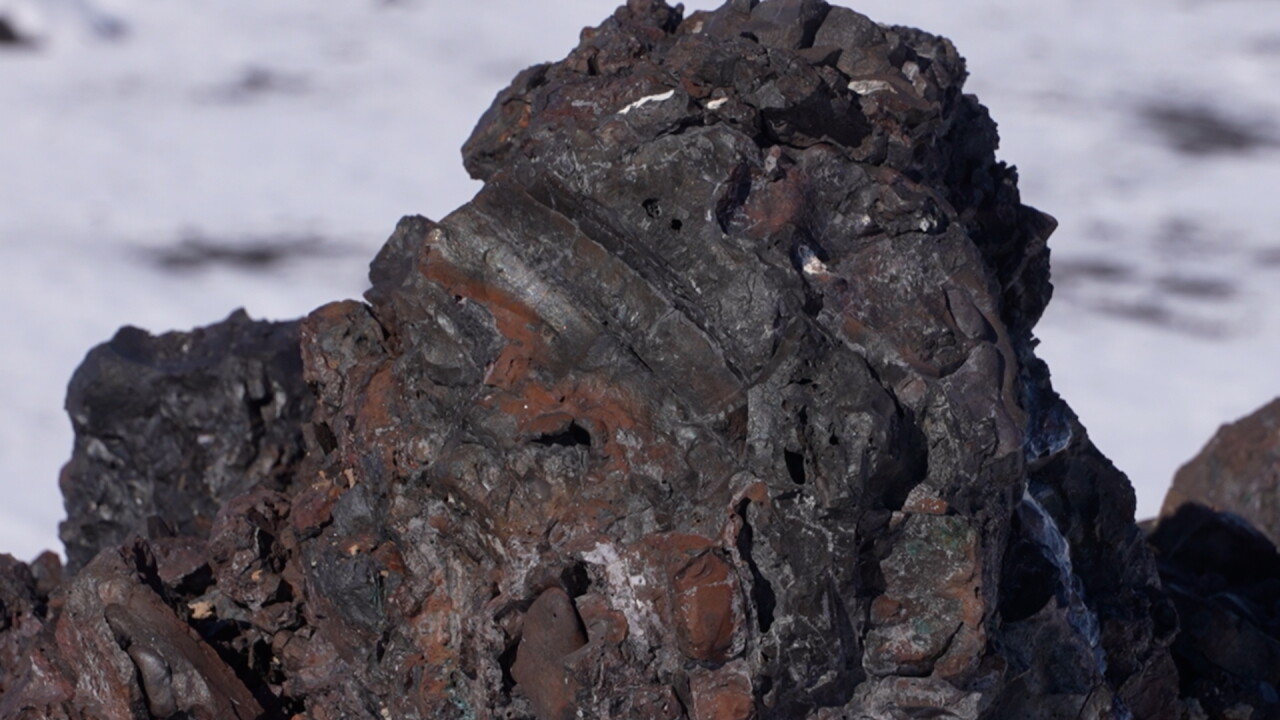
“In the course of our work here in the last one to two years, this slag is a source of some of the critical minerals that our government and private industry are interested in pursuing,” Brooks said.
Other efforts include the EPA leading residential lead yard cleanups. Twenty have been cleaned since the summer, with another 20 targeted for completion before winter.
“The soil bed that EPA is taking out of residential yards in the East Helena area, we are actually bringing that back onto the smelter site, and we are using it on the slag pile as a base for the eventual cover that will cap the site,” Williams said.
Tuesday, the agencies hosted an open house highlighting these efforts and redevelopment plans, including future housing at Rose Hills by Helena Area Habitat for Humanity and the development of Prickly Pear Land Trust’s Prickly Pear Park.
The trust says they are working on what’s next for the final 20-acre parcel of smelter property.
