


EAST HELENA — For more than a century, the former Asarco lead smelter in East Helena has left behind contamination, spreading lead and arsenic into neighborhoods and posing long-term health risks, especially to children.
Watch the full video:
Since the 1980s, lead cleanup efforts under the federal Superfund program have mitigated hundreds of properties. New standards are expanding this work even further.
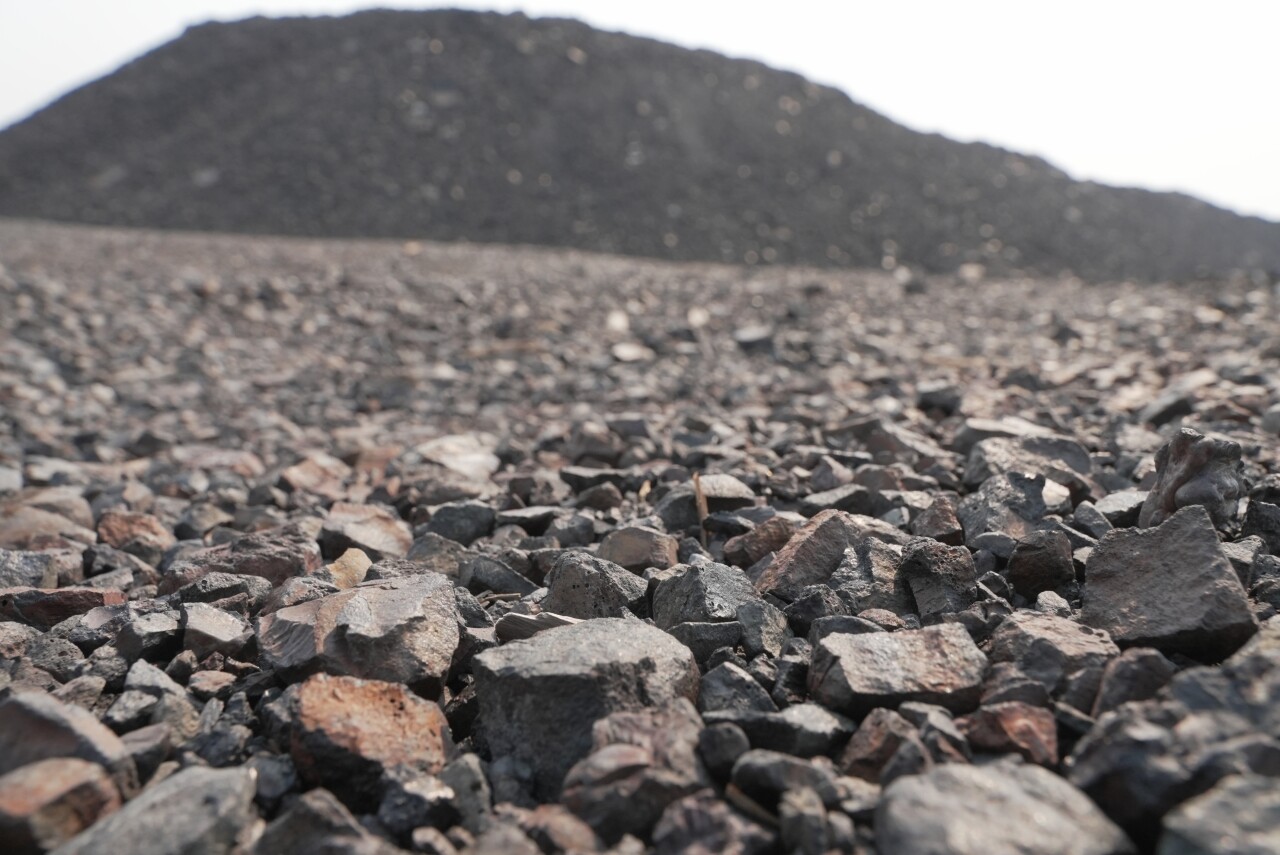
“Lead is a metal, so it is never going to decay or go away. It is always going to be present, and that is why we are doing yard removals," Bridget Williams, a remedial project manager with the Environmental Protection Agency, said.
The Environmental Protection Agency, in collaboration with the Montana Department of Environmental Quality, lowered the acceptable residential soil lead level in 2024 from 500 to 400 parts per million.
“Priority properties are properties with young children, properties with higher levels of lead than others, and also properties where there might be an exposure situation like an active garden,” Williams said.
Cleanups were set to start in June, but the project was delayed.
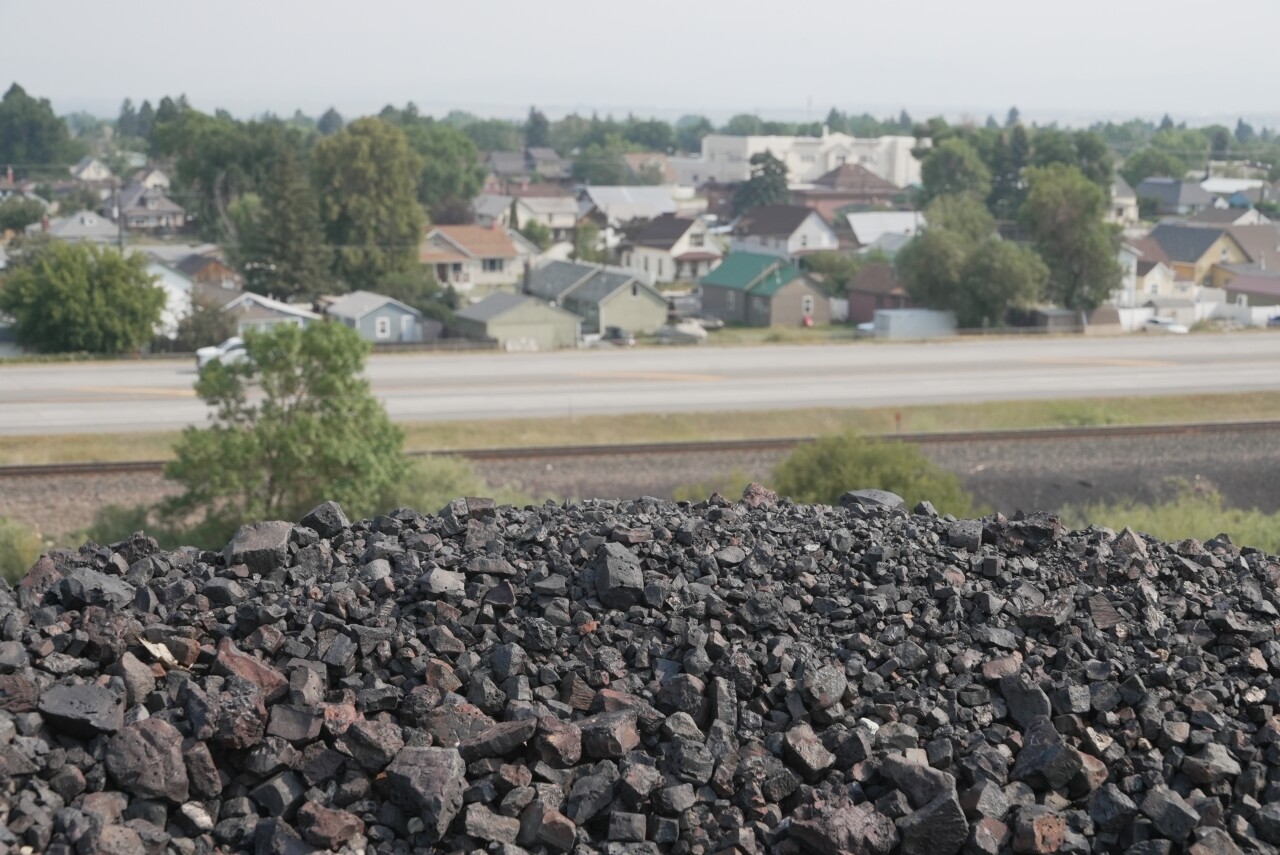
“We are looking at all scenarios that could happen, and sometimes that just takes some time with all the parties involved and all the stakeholders we have to really give expertise and get it put down on paper," Jessica Smith, a remedial project manager with the EPA, said.
Work is now starting this week, running through October, weather permitting. The goal this season is around 40 yards.
Crews dig down 18 inches, bring in clean fill, and then relandscape the property to its original state.
Where does the contaminated soil end up?
“All the lead and arsenic that was potentially deposited in these yards that we are removing is going back to the slag pile,” Smith said.
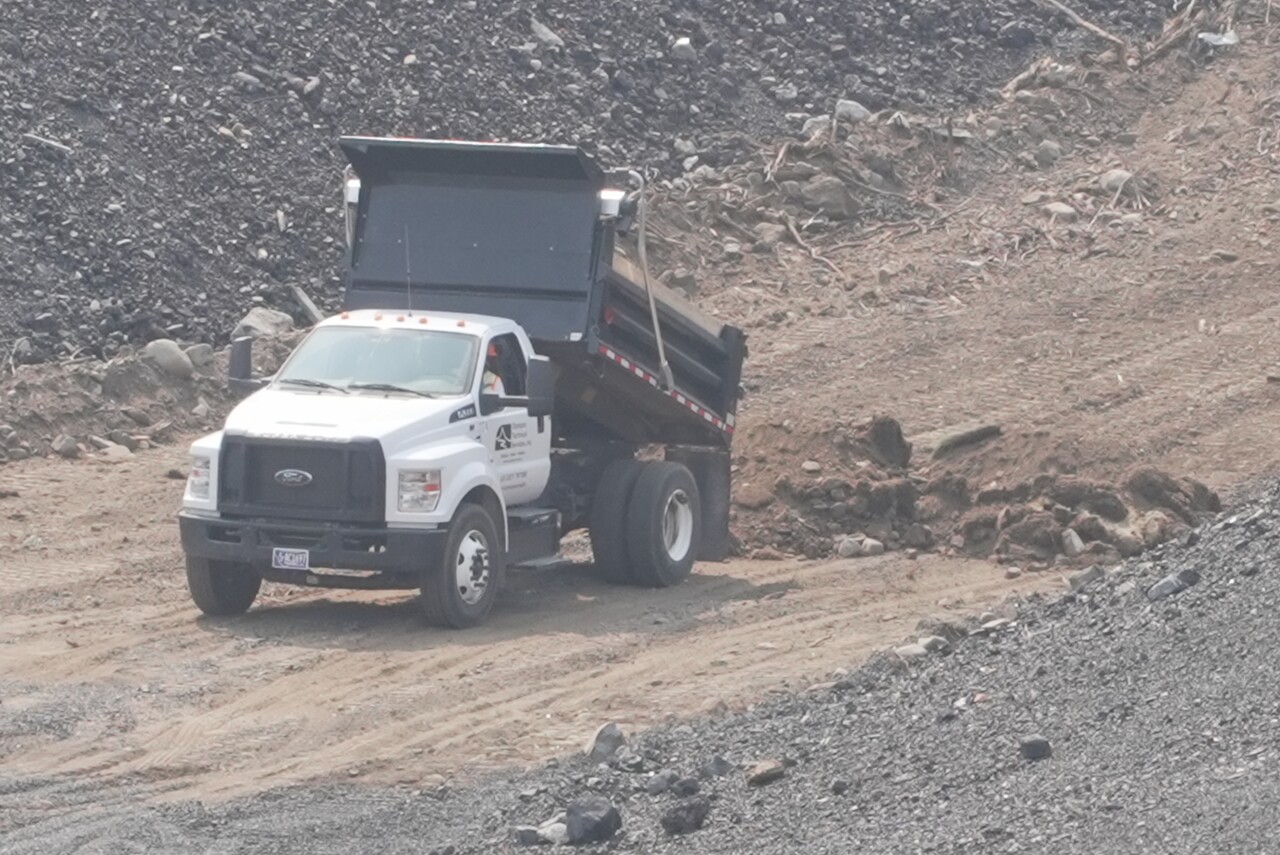
Trucks are dumping the soil to fill in a hole on the pile, and the EPA is monitoring the process to ensure there is not too much dust.
“Making sure things stay where they need to stay,” Williams noted.
Residents can expect more traffic on the roads near the slag pile as work continues.
This is just the beginning, as yard cleanup in the existing boundary is anticipated to be complete by 2031.
The EPA encourages residents to check if their property qualifies here: EastHelenaSuperfund@epa.gov and to reach out with any questions and concerns.
