

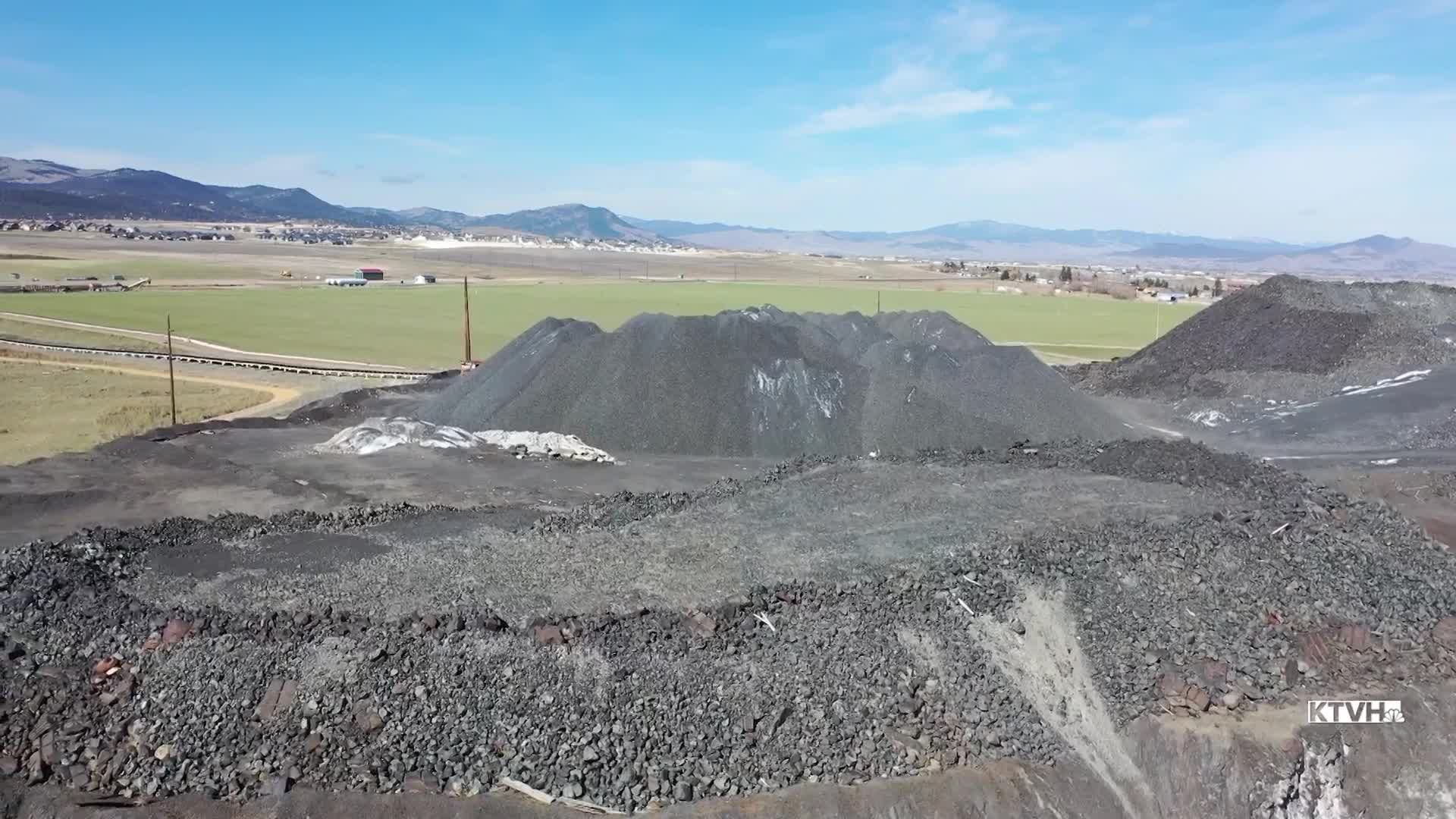


EAST HELENA — For more than a century, the former ASARCO lead smelter in East Helena has left behind contamination, spreading lead and arsenic into neighborhoods and posing long-term health risks, especially to children.
“They deserve to have clean, safe yards to play in, work in, garden in, and I am happy that we have resources and the ability to make that happen,” Bridget Williams, the EPA remedial project manager for the East Helena superfund site, expressed.
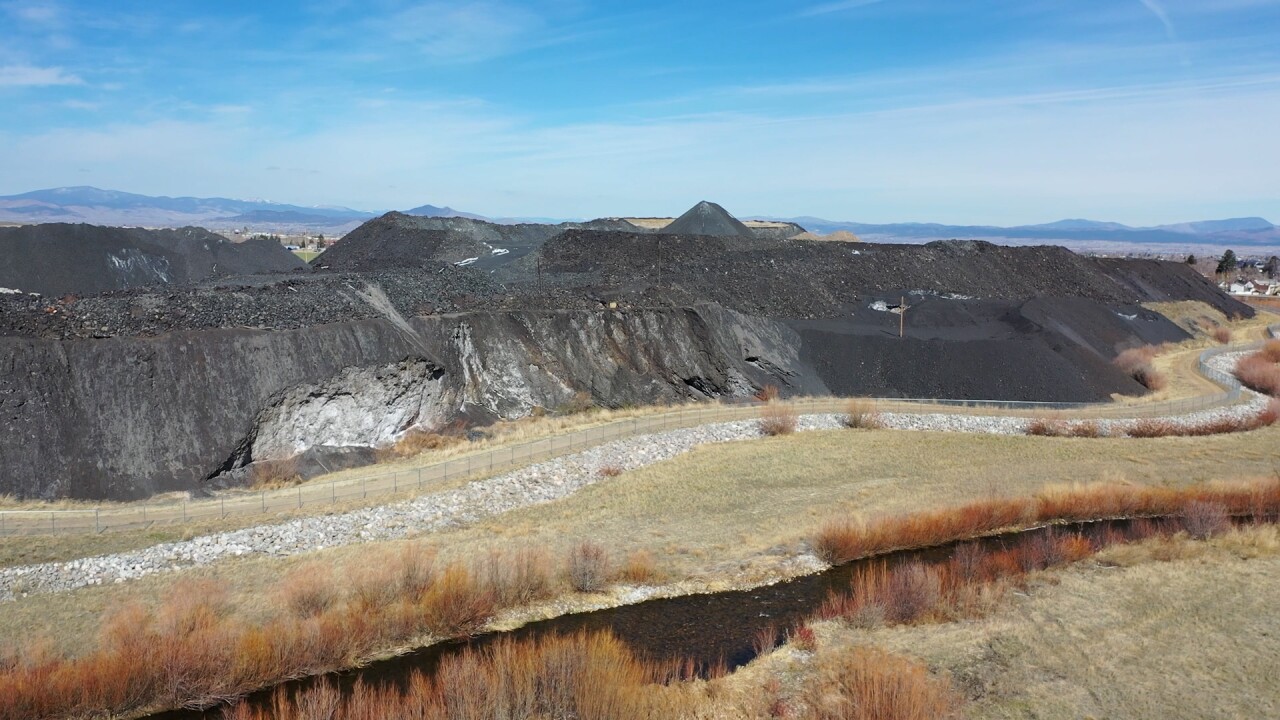
Since the 1980s, cleanup efforts under the superfund program have mitigated hundreds of properties—but now, new standards are expanding that work even further.
The Environmental Protection Agency, in collaboration with the Montana Department of Environmental Quality, has recently lowered the acceptable residential soil lead level from 500 to 400 parts per million.
That change means hundreds of East Helena properties might need to be cleaned up, even if they had previously been mitigated, and there will be no charge to impacted property owners.

Williams noted, “We still have 10 million from the ASARCO bankruptcy settlement and then an additional 40 million in federal funding.”
Through a new agreement, the U.S. Army Corps of Engineers and the EPA will oversee contractors as they begin removing contaminated soil this summer. Crews plan to start in June and continue through October, weather permitting.
Williams shared, “We will go down 18 inches and then bring in clean fill and then relandscape the property to what it was before.”
So far, more than 100 residents have already signed agreements to allow work on their land, intending to complete at least 91 properties this year. Residents with young children are the priority.
The contaminated soil removed from the yard will end up on the East Helena slag pile to contribute to the eventual capping process.
In the meantime, residents are asked to take simple precautions to reduce exposure, like washing hands regularly, removing shoes, and wet mopping.
Steve Thennis, an environmental health specialist with Lewis and Clark Public Health, noted, “Before any of this gets going, have good practices at home, during cleanup, good practices then, and even if it is your neighbor cleaning their yard.”
This is just the beginning, as yard cleanup in the existing boundary is anticipated to be complete by 2031
Officials say they’ll continue outreach through community events and weekly office hours, encouraging residents to check if their property qualifies at this email address: EastHelenaSuperfund@epa.gov
